


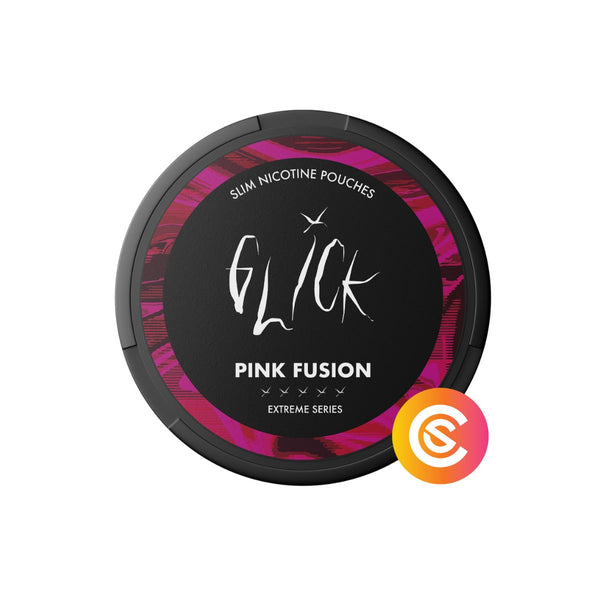


If you currently smoke or vape regularly, start in the 6–10 mg range; if you’ve never used nicotine, start at 3 mg or less; if you’re a light, occasional smoker, 4–6 mg is a reasonable middle ground. Nicotine pouches are for adults only, and nicotine is addictive. Stop and reassess if you notice nausea, dizziness, or a racing heartbeat.
- Light: roughly 2–4 mg per pouch
- Regular: roughly 4–8 mg per pouch
- Strong: roughly 8–12 mg per pouch
- Extra strong: roughly 12–20 mg per pouch
Most adult buyers land in the mid-range: the market clusters around 6–12 mg per pouch, which is why “regular” and “strong” tins dominate store shelves.
Key Takeaways
The right nicotine pouch strength depends on your current nicotine habit, not the biggest number on the can, and mg per pouch is the most reliable figure for comparing brands.
| Point | Details |
|---|---|
| Match strength to habit | Heavy smokers start around 8–12 mg; light users or non-users start at 2–4 mg. |
| Mg per pouch beats dot systems | Dot ratings and verbal tiers vary by brand; the printed mg figure is the reliable comparator. |
| Format changes the feel | Slim, moisture, pH, and flavor all shift perceived intensity even at identical mg. |
| Test before you commit | Try 3–5 pouches, wait 20–40 minutes, and adjust one tier at a time. |
| Shop with filters, not guesswork | Snuscore’s mg, format, and flavor filters help match a strength to your actual tolerance. |
This article is general information, not a substitute for advice from a qualified doctor. Consult a qualified healthcare professional about your own circumstances before acting on anything here.
Table of Contents
- What Does Nicotine Pouch Strength Actually Mean?
- How Is Strength Labeled on the Can?
- What Are the Common Nicotine Pouch Strength Tiers?
- Why Do Two Pouches at the Same Mg Feel So Different?
- How Do You Choose and Switch Nicotine Pouch Strengths Safely?
- What Strengths Will You Actually Find on the Shelf?
- A Reseller’s Take on Picking the Right Strength
- Find Your Strength Faster With Snuscore
- Sources
- FAQ
What Does Nicotine Pouch Strength Actually Mean?
Strength on a can refers to milligrams per pouch (mg/pouch), sometimes listed instead as milligrams per gram (mg/g) of pouch filler. Mg per pouch is the number worth comparing across brands because it tells you how much nicotine sits inside a single pouch, regardless of how much the pouch weighs. Mg/g, by contrast, measures concentration in the tobacco-free filler material, so a small, dense pouch and a large, airy one can carry the same mg/g rating while delivering very different total nicotine amounts.
Here’s the part most shoppers miss: the labeled mg is what’s packed into the pouch, not what your body actually absorbs. Absorption depends on pouch format, moisture content, saliva production, and your own oral physiology. Clinical research on oral nicotine products confirms that absorption varies significantly by formulation, meaning two people using the same 6 mg pouch can walk away with noticeably different experiences.
A concrete example: a 6 mg slim pouch and a 6 mg standard pouch often feel different in the mouth. The slim format packs less filler into a smaller surface, which can concentrate the release and make it feel sharper, faster. The standard pouch spreads that same 6 mg across more material, often producing a slower, steadier feel.
Pro Tip: Don’t assume two pouches at the same mg will feel identical. Check the format (slim vs. regular) alongside the number, since pouch format itself changes perceived intensity.
How Is Strength Labeled on the Can?
Manufacturers use a mix of systems, and none of them are standardized across the industry:
- Mg per pouch: the most direct and comparable figure, usually printed on the front or side of the can.
- Mg per gram (mg/g): a concentration measure that requires knowing pouch weight to translate into a real dose.
- Dot systems: some brands use one to five dots to signal relative strength, but a three dot rating from one company says nothing about a three dot rating from another.
- Verbal tiers: words like “Strong” or “Extra Strong” that vary in meaning from brand to brand.
Total nicotine per can also depends on pouch count. A can with 20 pouches at 6 mg each delivers more total nicotine than a 15 pouch can at the same strength, even though the per-pouch number looks identical, since pouch count varies from 15 to 20 per can depending on the brand.
Pro Tip: Skip the dot system entirely when comparing brands. Go straight to the mg/pouch figure on the product page, it’s the only number that translates cleanly between manufacturers.
What Are the Common Nicotine Pouch Strength Tiers?
Strength tiers aren’t official regulatory categories. They’re industry shorthand that most retailers and brands use to help shoppers self-sort. Here’s how the tiers typically break down and who they tend to suit:
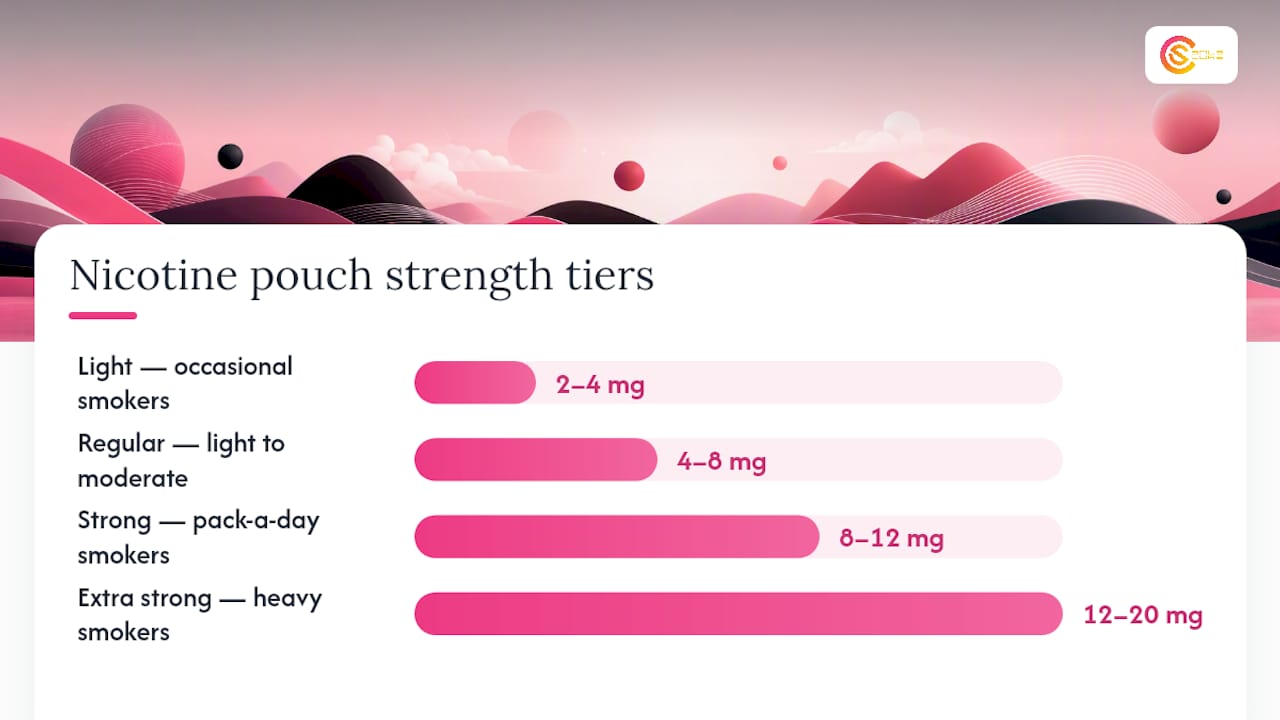
| Tier | Typical mg per pouch | Best suited for |
|---|---|---|
| Light | 2–4 mg | Nicotine-naive adults or light, occasional smokers |
| Regular | 4–8 mg | Light to moderate smokers or vapers transitioning off cigarettes |
| Strong | 8–12 mg | Regular smokers (a pack a day or more) or established pouch users |
| Extra strong | 12–20 mg | Heavy smokers or long-term nicotine users with high tolerance |
These ranges are orientation bands, not exact dosing conversions. Someone who smokes half a pack a day might do fine in the regular tier, while a two-pack-a-day smoker often needs strong or extra strong to feel satisfied.
Borderline cases are common. If you’re unsure whether you’re a regular or strong candidate, start with the lower tier. Stepping up is easy and low-risk. Stepping down after buying a can that’s too intense means wasted product and, worse, an unpleasant first experience that might turn you off pouches altogether.
Pro Tip: Try 3 to 5 pouches from a new tin before deciding it’s the wrong strength. One pouch isn’t always a fair test, especially if you rushed it or used it at the wrong time of day.
Why Do Two Pouches at the Same Mg Feel So Different?
The mg number is only part of the story. Several factors outside the label change how strong a pouch actually feels in your mouth:
- Format: regular, slim, and mini pouches pack the same mg into different amounts of filler and surface area.
- Moisture level: wetter pouches tend to release nicotine faster than drier ones.
- pH: higher pH formulations can increase how quickly nicotine crosses the oral membrane, a mechanism supported by pharmacokinetic research on nicotine delivery.
- Flavor: mint and menthol create a cooling sensation that many users read as a stronger “hit,” even at identical mg levels.
A sweet or fruity 6 mg pouch and a mint 6 mg pouch from the same brand can feel like two different products entirely. The mint’s cooling effect amplifies the sensory experience, while the sweet flavor can mask it, leading some users to assume the fruity pouch is “weaker” when the nicotine content is the same.
Time matters too. A pouch worn for 20 minutes delivers less total nicotine than one worn for a full 60 minutes, so your habits around wear time shape how strong any given mg feels in practice. If you’re chasing a specific intensity, understanding why some pouches hit harder than others matters more than chasing a bigger number.
How Do You Choose and Switch Nicotine Pouch Strengths Safely?
Picking the right strength is a process, not a one-time guess. Here’s a practical sequence:
- Map your current nicotine habit. Heavy smokers and long-term vapers generally tolerate more mg; light or occasional users need less.
- Pick a starting band based on that habit. Most buyer guides suggest adults switching from cigarettes or vaping start in the 6–10 mg range and adjust from there.
- Test one pouch at a time. Don’t stack pouches to compensate for uncertainty about strength.
- Wait 20 to 40 minutes before judging the effect. Rushing this step is the most common reason people misjudge a strength as “too weak.”
- Adjust slowly. Move up or down by one tier rather than jumping from light to extra strong.
As a practical rule of thumb, many adult users keep total daily pouch use in the single digits, though tolerance and personal habits vary. Watch for nausea, dizziness, or a racing heart. These are signs the strength or your pace is too aggressive. If that happens, stop, hydrate, and consider a lower mg or a different format for your next session. Sometimes switching flavors or formats solves the problem without dropping mg at all.
What Strengths Will You Actually Find on the Shelf?
Across mainstream brands, you’ll routinely see per-pouch strengths at 3 mg, 6 mg, 9 mg, and 12 to 15 mg, with a handful of brands pushing higher for heavy users. Three worth knowing by name if you’re comparing real products:
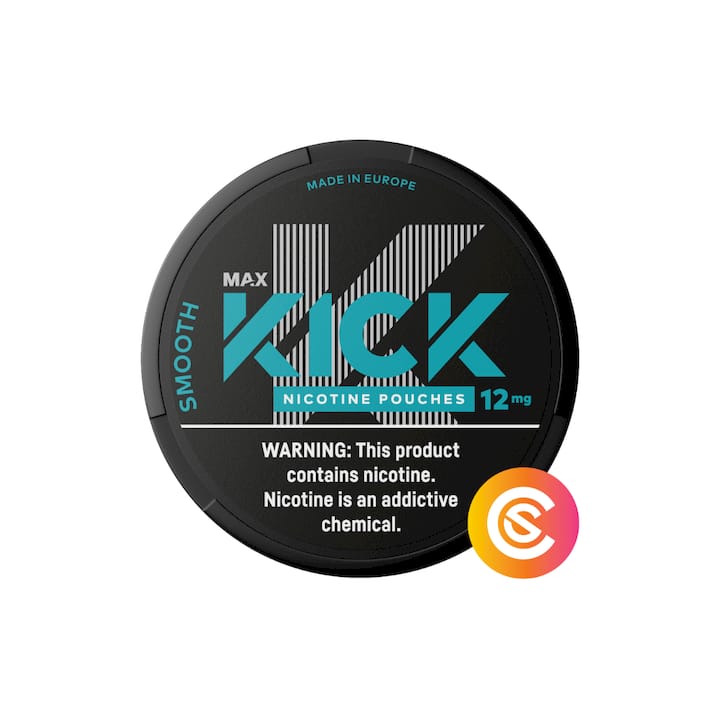
- KICK MAX Smooth Strong sits in the strong tier, built for established users who want a smooth flavor profile without sacrificing intensity.
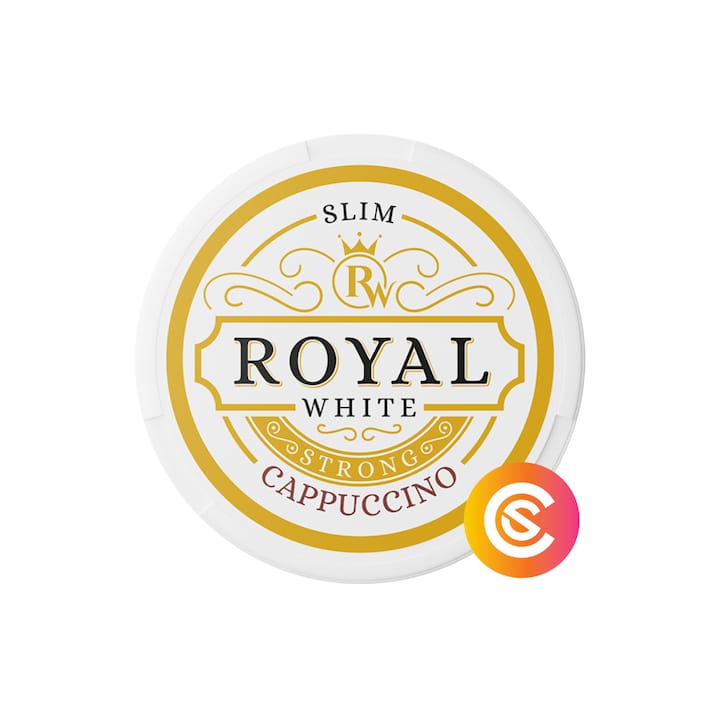
- Royal White Cappuccino Strong pairs a strong mg level with a coffee-forward flavor, a solid pick for users who find mint too sharp but still want real intensity.
- Snowman Citrus Boost Strong delivers strong-tier nicotine with a citrus profile, appealing to users who want intensity without menthol’s cooling bite.
Pro Tip: Always confirm pouch count and format (slim vs. regular) on the product page before buying. Two cans labeled “Strong” can differ in total nicotine simply because one holds 15 pouches and the other holds 20.
A Reseller’s Take on Picking the Right Strength
We see the same pattern constantly: people guess at strength and end up either under-satisfied or overwhelmed on their first try. That’s why Snuscore leans on filters by mg, format, and flavor, plus support from a team that actually knows the catalog, to help you land closer to the right pick the first time. Every product we carry is intended for adult, existing nicotine users only.
Find Your Strength Faster With Snuscore
Guessing at strength from a dot rating or a vague “Strong” label wastes money and sets you up for a bad first experience. Snuscore’s product filters let you sort by exact mg per pouch, format, and flavor side by side, so you compare real numbers instead of marketing labels.
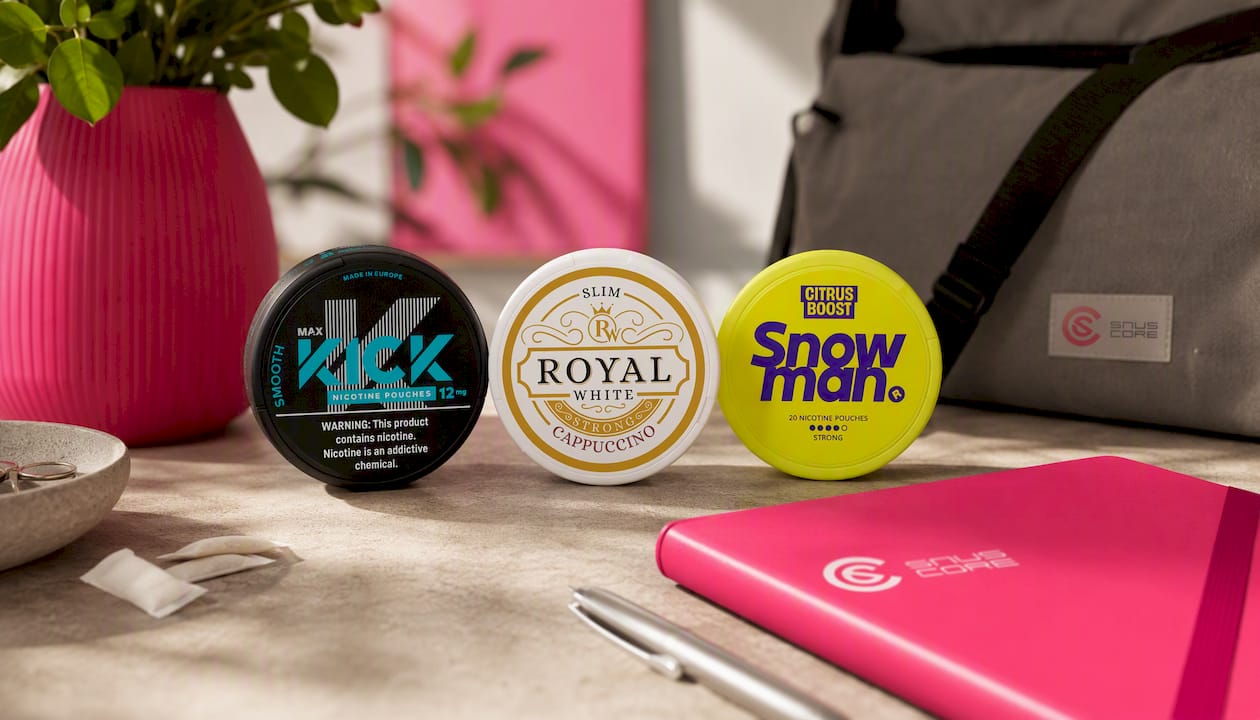
If you already know you want something in the strong tier, KICK MAX Smooth Strong, Royal White Cappuccino Strong, and Snowman Citrus Boost Strong are three strong-tier options worth comparing directly on their product pages. First-time buyers get access to volume discounts on multi-can orders and responsive support if you’re unsure which mg or format fits your habit. Browse the full strength and flavor filters and narrow down your options before you check out.
Sources
- Nicotine Pouch Strength by Brand: Complete 2026 Comparison Chart | Clean Nicotine Pouch
- Nicotine Pouch Strength Chart: 167 Cans Mapped by mg (2026) | SnusFriend
- Nicotine Pouch Strength Comparison: Which Is Right For You?
- PubMed: (study on oral nicotine absorption / pharmacokinetics)
- PubMed: (additional nicotine delivery research)
FAQ
What strength of nicotine pouch should I use?
It depends on your current nicotine habit: light or new users typically start at 2–4 mg, moderate smokers at 4–8 mg, and heavy smokers at 8–12 mg or higher.
Is a 50 mg nicotine pouch strong?
Yes, a pouch with nicotine far above the typical retail range, which mostly clusters around 6–12 mg, would only suit an extremely tolerant, long-term nicotine user, if it’s used at all.
How many nicotine pouches equal a cigarette?
There’s no exact conversion because absorption differs by product and person, but many buyer guides treat one moderate-strength pouch (roughly 6–8 mg) as a rough equivalent to one cigarette for an average smoker.
Is using two strong nicotine pouches a day too much?
For most adult smokers transitioning from cigarettes, two pouches a day at a matched strength is generally within a reasonable range, but tolerance varies, and any nausea, dizziness, or rapid heartbeat means you should scale back.
Recommended
- Factors Affecting Nicotine Pouch Strength ➤ The latest news, tips, and insights on nicotine pouches | SnusCore
- Why Do Some Nicotine Pouches Hit Harder Than Others? ➤ The latest news, tips, and insights on nicotine pouches | SnusCore
- Glick Nicotine Pouches: All You Need to Know ➤ The latest news, tips, and insights on nicotine pouches | SnusCore
- How to Use Nicotine Pouches? All You Need to Know ➤ The latest news, tips, and insights on nicotine pouches | SnusCore


