




Nicotine pouches can affect blood sugar, and observational studies link nicotine and smokeless tobacco products to a higher risk of type 2 diabetes. That is the short answer. The CDC reports that people who smoke face a significantly higher risk of developing type 2 diabetes compared to non-smokers, and nicotine itself raises blood glucose and contributes to insulin resistance. Research presented at the European Association for the Study of Diabetes found that smoking, vaping, and nicotine pouches were all associated with higher type 2 diabetes risk across subtypes, with nicotine identified as a likely mediator.
If you have diabetes or are at risk, take these steps now:
- Check your glucose more often for 24–72 hours after starting or changing nicotine pouch use.
- Tell your clinician if you use insulin or sulfonylureas — both carry hypoglycemia risk when nicotine changes your glucose pattern.
- Consider cessation support. Call your provincial quitline or speak with your prescriber about nicotine replacement therapy.
If you plan to continue using pouches, Snuscore carries a range of tobacco-free options including XQS Tropical Caffeine Pouches, KICK MAX Smooth Strong, Lundgrens Höståker, ZONE No25 Berry Blast Ultra, KICK MAX Caribbean Crush Strong, Royal White Cappuccino Strong, KILLA Exclusive Dark Cherry, and KILLA Exclusive Strawberry Watermelon. Check each product label for nicotine strength and ingredients before use.
Pro Tip: Keep a glucose log for the first week of any new nicotine product. Patterns in that log give your clinician the clearest picture of how your body is responding.
Key Takeaways
Nicotine pouches can raise blood sugar, reduce insulin sensitivity, and are linked in observational studies to a modestly higher risk of type 2 diabetes, making glucose monitoring and clinician communication the most important steps for anyone with diabetes who uses them.
| Point | Details |
|---|---|
| Observational risk signal | Pooled cohort data show a hazard ratio of ~1.15 for current snus users, rising to ~1.68 at heavy use (≥7 boxes/week). |
| Nicotine as the mediator | Nicotine triggers catecholamine release and reduces insulin sensitivity regardless of whether it comes from pouches, cigarettes, or vaping. |
| Monitor and communicate | Check glucose for 24–72 hours after any change in pouch use and inform your clinician, especially if you use insulin or sulfonylureas. |
| Use Canadian cessation resources | Provincial quitlines and Diabetes Canada provide free, clinician-supported cessation programs available across Canada. |
| Snuscore for product clarity | Snuscore lists nicotine strength on all product pages, helping Canadian users compare options before purchasing. |
This article is general information, not a substitute for advice from a qualified doctor. Consult a qualified healthcare professional about your own circumstances before acting on anything here.
Table of Contents
- What does the research show about nicotine pouches and diabetes risk?
- How does nicotine affect blood sugar and insulin?
- Short-term glucose effects and interactions with diabetes medications
- How do nicotine pouches compare to smoking and vaping for diabetes risk?
- Practical steps if you have diabetes and use nicotine pouches
- Canada-specific guidance on nicotine pouches and diabetes
- What we still don’t know about nicotine pouches and diabetes
- A note on balancing risk reduction and realistic choices
- Nicotine pouches and diabetes: what to keep in mind
- Snuscore: tobacco-free nicotine pouches for Canadian adults
- Sources
- FAQ
What does the research show about nicotine pouches and diabetes risk?
The strongest human evidence comes from a pooled analysis of five prospective cohorts (Carlsson et al., 2017), which included 54,531 never-smoking men and 2,441 incident type 2 diabetes cases. Current snus users had a pooled hazard ratio of approximately 1.15 for type 2 diabetes compared to non-users. At heavy consumption levels of seven or more boxes per week, that hazard ratio rose to approximately 1.68, a clear dose-response signal.
Statistic: Pooled cohort data show a hazard ratio of ~1.15 for current snus users and ~1.68 for heavy users (≥7 boxes/week) compared to non-users.
A separate case-control study found smokeless tobacco use was significantly more common among people with type 2 diabetes than among controls, concluding that smokeless tobacco use may be a risk factor for type 2 diabetes, while acknowledging confounding and the need for further research.
Key limitations across this evidence base:
- Most studies are observational. Confounding factors such as diet, physical activity, and obesity are difficult to fully control.
- Exposure measurement varies widely across studies, from self-reported boxes per week to biomarker-based nicotine levels.
- Most long-term cohort data come from Scandinavian snus populations, which may not generalize to modern tobacco-free nicotine pouches used in Canada.
- Few randomized controlled trials exist on nicotine pouches specifically.
How does nicotine affect blood sugar and insulin?
Nicotine reduces insulin sensitivity and can impair insulin secretion, which raises blood glucose over time. Endocrinologists note that nicotine induces insulin resistance, making cells less responsive to insulin and forcing the pancreas to work harder, and that pouches can be as potent a trigger for blood sugar as smoking.
The main biological pathways:
- Catecholamine release. Nicotine triggers the release of epinephrine and norepinephrine. These hormones signal the liver to release stored glucose and suppress insulin secretion, causing a transient rise in blood glucose.
- Insulin resistance. Chronic nicotine exposure reduces the sensitivity of muscle and fat cells to insulin, a pattern seen in both human epidemiologic data and experimental mechanistic studies.
- Pancreatic beta-cell effects. Nicotinic receptors are present on pancreatic beta cells. Nicotine exposure may alter insulin secretion directly, though the direction and magnitude of this effect vary across study models.
- Inflammation and fat distribution. Nicotine promotes abdominal fat accumulation and low-grade inflammation, both of which worsen insulin resistance independently.
NIH-funded animal-model research found that nicotine exposure can alter regulatory genes linked to metabolic dysfunction, providing mechanistic plausibility for the epidemiologic associations, though animal findings do not confirm human causation.
Pro Tip: Monitor fasting glucose and your two-hour postprandial reading after starting or changing your nicotine dose. Mechanistic effects on catecholamines can appear within hours.
Short-term glucose effects and interactions with diabetes medications
Nicotine can cause both transient glucose changes and contribute to longer-term insulin resistance. It also interacts with several diabetes medicines in ways that require monitoring.
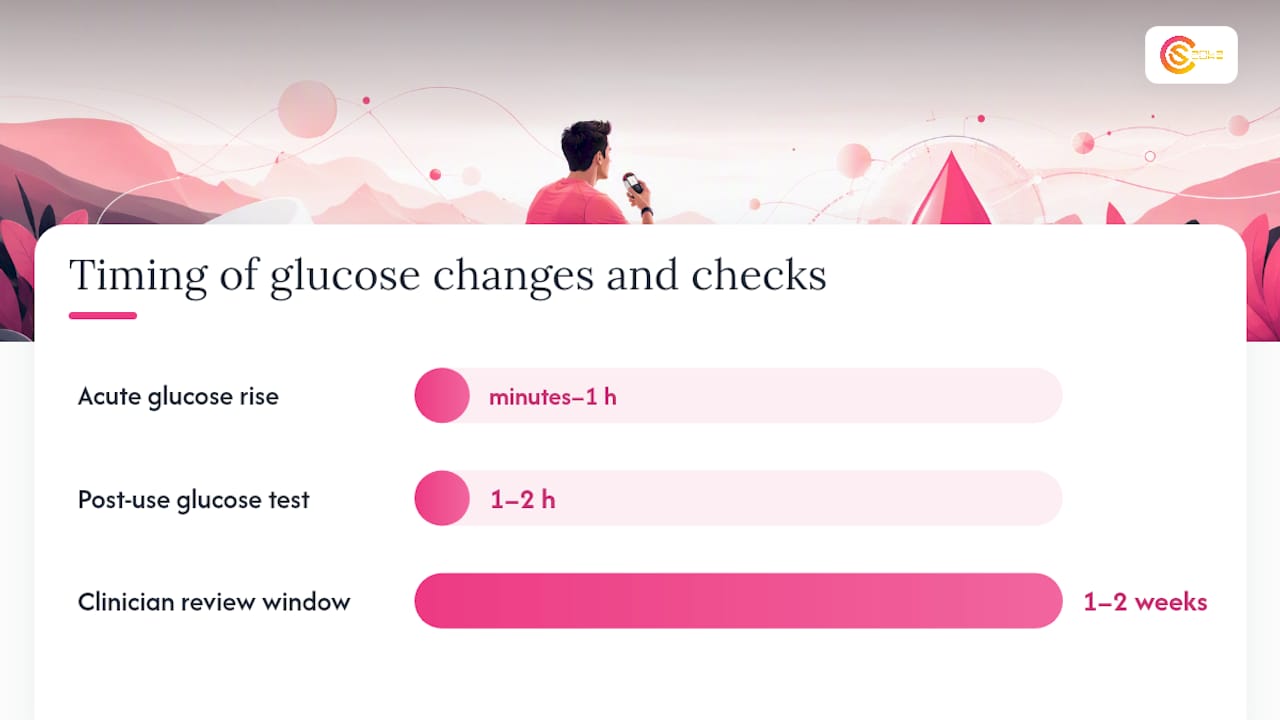
Acute effects: Catecholamine release from a single pouch can cause a brief, transient rise in blood glucose within minutes to an hour. Paradoxically, when people quit nicotine, insulin sensitivity can improve rapidly, which may increase hypoglycemia risk in people on insulin or sulfonylureas whose doses were calibrated to a higher-resistance baseline.
Medication interactions to watch:
- Insulin users: Glucose-raising effects of nicotine may require higher doses while using pouches. Stopping abruptly can lower insulin requirements quickly, raising hypoglycemia risk.
- Sulfonylurea and meglitinide users: These drugs stimulate insulin secretion regardless of blood glucose level. Any nicotine-driven glucose fluctuation adds unpredictability. Extra monitoring is needed.
- Other medications: Clinical guidance notes that nicotine replacement therapies, including pouches, can raise blood sugar and should be managed with clinician input for people on diabetes medications.
A practical checklist for starting or stopping pouches:
- Test blood glucose before use.
- Test again one to two hours after use.
- Keep a fast-acting carbohydrate on hand if you use insulin or a secretagogue.
- Schedule a clinician review within one to two weeks of any change.
Pro Tip: Never adjust your insulin or oral medication dose on your own in response to nicotine-related glucose changes. Bring your glucose log to your clinician and let them guide any dose change.
How do nicotine pouches compare to smoking and vaping for diabetes risk?
Switching from smoking to nicotine pouches may reduce combustion-related harms, but it does not remove nicotine-driven diabetes risk. Nicotine exposure itself is the likely mediator, not the delivery method.
Delivery method differences matter for glucose patterns:
- Cigarettes produce rapid nicotine peaks, which cause sharp catecholamine spikes and short-duration glucose rises.
- Nicotine pouches and snus produce a slower, more sustained nicotine absorption profile, which may mean less acute spiking but more prolonged exposure to insulin-resistance effects.
- Vaping varies widely by device and liquid concentration, making dose prediction difficult.
The pooled snus cohort data found hazard ratios for type 2 diabetes that were comparable in magnitude to those reported for smoking in some analyses, suggesting the nicotine load, not the combustion, drives much of the metabolic risk. The EASD-presented analysis reinforced this, finding elevated risk across smoking, vaping, and pouches alike.
Key comparison: Harm reduction from quitting combustion is real for cardiovascular and cancer risk. For diabetes risk specifically, the nicotine component remains a concern regardless of delivery format.
Practical takeaway: decisions about switching delivery methods should be made with a clinician who knows your full medication list and glycemic history. Pouches are not a metabolically neutral alternative to smoking for people with diabetes.
Practical steps if you have diabetes and use nicotine pouches
Stop using nicotine if possible. If you are not ready to quit, take concrete harm-reduction steps and tell your clinical team what you are using.
Monitoring plan:
- Check fasting glucose daily and two-hour postprandial readings on days you use pouches.
- Log symptoms: shakiness, sweating, or confusion may signal hypoglycemia; unusual thirst or frequent urination may signal hyperglycemia.
- Contact your clinician for recurrent unexplained highs or lows, or if you change your pouch strength or frequency.
Safer-use tips if continuing:
- Choose the lowest effective nicotine strength. Understanding factors that affect nicotine pouch strength helps you select a product that meets your needs without excess nicotine load.
- Rotate placement sites to reduce localized gum irritation and tissue damage, which University of Utah Health clinicians identify as a known risk of pouch use.
- Do not swallow pouch juice. Some products contain sweeteners or flavor additives. Swallowing the juice can cause digestive symptoms and may introduce small amounts of sugar. More detail on what happens if you swallow a nicotine pouch is available on the Snuscore blog.
- Check ingredient labels for added sugars, particularly on flavored products.
Cessation resources in Canada:
- Call your provincial quitline (1-866-366-3667 in Ontario; other provinces have dedicated lines).
- Ask your prescriber about nicotine replacement therapy and behavioral counseling.
- Request a referral to a diabetes nurse educator if glycemic control worsens after any change in nicotine use.
Canada-specific guidance on nicotine pouches and diabetes
Health Canada and provincial public-health programs treat nicotine and tobacco cessation as clinical priorities. If you have diabetes, cessation support is available through multiple channels and is often covered under provincial health plans.
Canadian resources:
- Health Canada: Provides guidance on vaping and nicotine products, including regulatory information on product labeling and nicotine content disclosures.
- Provincial quitlines: Every province operates a free cessation line. Ontario’s Smokers’ Helpline (1-877-513-5333) and Quebec’s J’arrête program are two examples with counselor support.
- Telehealth Ontario (811): Connects you with a registered nurse 24 hours a day for guidance on symptoms and medication concerns.
- Diabetes Canada: Offers clinician-facing resources and patient guides on managing comorbidities including tobacco use.
Regulatory note: Nicotine pouches are sold in Canada under tobacco product regulations. Packaging must list nicotine content. Check this figure before purchasing, especially if you are managing insulin or secretagogue doses.
Snuscore ships tobacco-free nicotine pouches to Canadian customers and lists nicotine strength on each product page. Products such as ZONE No25 Berry Blast Ultra and KILLA Exclusive Dark Cherry include strength information to help you compare options before buying.
Pro Tip: Ask your pharmacist whether your provincial drug benefit plan covers nicotine replacement therapy. Many plans in Canada cover NRT patches or gum with a prescription, which reduces out-of-pocket cost for cessation.
What we still don’t know about nicotine pouches and diabetes
The evidence suggests a link between nicotine use and higher type 2 diabetes risk, but it does not confirm causation. Most human data are observational, and confounding remains a real concern.
Key gaps:
- No long-term randomized controlled trials exist specifically on tobacco-free nicotine pouches and diabetes outcomes.
- Nicotine dose varies widely across pouch products, making it hard to apply Scandinavian snus findings directly to modern pouches sold in Canada.
- Most cohort data come from Scandinavian male populations, limiting generalizability to women and to non-Scandinavian groups.
- Long-term data on cardiovascular and metabolic outcomes specific to pouch users, as distinct from snus or cigarette users, are limited.
- Oral-mucosal absorption pathways for nicotine pouches may differ from snus, but the downstream metabolic effects have not been studied in long-term human trials.
Dose-response signal: The pooled snus cohort found the hazard ratio for type 2 diabetes rose to approximately 1.68 at heavy use (≥7 boxes/week), compared to approximately 1.15 for all current users, suggesting that consumption level matters. Modern pouch nicotine concentrations vary widely across products, so this threshold may not translate directly.
Open research questions include: what dose-response thresholds apply to tobacco-free pouches specifically, how genetic and obesity-related factors interact with nicotine-driven insulin resistance, and whether oral-mucosal versus gastrointestinal nicotine absorption produces different metabolic effects.
A note on balancing risk reduction and realistic choices
The Snuscore Team recommends quitting nicotine for people with diabetes. The evidence linking nicotine to insulin resistance and higher type 2 diabetes risk is consistent across delivery methods, and cessation remains the single most effective step for reducing nicotine-related metabolic harm.
That said, some readers will continue to use nicotine pouches. Snuscore’s role is as a reseller and information resource, not a clinical provider. The guidance in this article points to authoritative sources, including Health Canada and Diabetes Canada, rather than making clinical promises. Product pages on Snuscore list nicotine strength and ingredients so readers can make informed choices.
If you are managing diabetes and using nicotine pouches, discuss your personal plan with your clinician. For product questions, Snuscore’s customer support team can help you compare options by strength and format.
Nicotine pouches and diabetes: what to keep in mind
Nicotine pouches can raise blood sugar, worsen insulin resistance, and are linked in observational studies to a modestly higher risk of developing type 2 diabetes, making monitoring and clinician communication essential for anyone with diabetes using them.
| Point | Details |
|---|---|
| Diabetes risk is real | Observational studies show a pooled hazard ratio of ~1.15 for snus users, rising to ~1.68 at heavy use. |
| Nicotine drives the risk | Nicotine triggers catecholamine release and reduces insulin sensitivity regardless of delivery method. |
| Monitor glucose closely | Check fasting and postprandial readings for 24–72 hours after starting or changing pouch use. |
| Medication interactions exist | Insulin and sulfonylurea users face hypoglycemia risk when nicotine changes their glucose baseline. |
| Snuscore as a reseller | Snuscore lists nicotine strength on all product pages to help Canadian users compare options safely. |
Snuscore: tobacco-free nicotine pouches for Canadian adults
For Canadian adults who use nicotine pouches and want clear product information, Snuscore offers a straightforward catalog of tobacco-free options with nicotine strength listed on every product page. That transparency matters when you are managing blood sugar and need to know exactly what you are putting in your body.
Snuscore carries products across a range of strengths and formats, from lower-dose options to high-strength pouches like KICK MAX Smooth Strong and KILLA Exclusive Strawberry Watermelon. As a reseller, Snuscore does not manufacture these products, but it does provide ingredient and strength details so you can compare before buying. If you are continuing to use pouches while managing diabetes, selecting the lowest effective strength is the practical first step. Browse the full catalog at Snuscore and contact customer support with any product questions.

Sources
Authoritative sources for deeper detail on nicotine, diabetes, and cessation:
- Diabetes and smoking | CDC
- Smokeless tobacco (snus) is associated with an increased risk of type 2 diabetes: results from five pooled cohorts
- PMCID article reporting SLT association with type 2 diabetes
- Does smoking, vaping or nicotine pouches raise type 2 diabetes risk?
- The Known and Unknown Health Risks of Oral Nicotine Pouches | University of Utah Health
- Nicotine addiction linked to diabetes through DNA-regulating gene (NIH news release)
FAQ
Does ZYN spike insulin?
ZYN and similar nicotine pouches can cause a transient rise in blood glucose by triggering catecholamine release, which suppresses insulin secretion and signals the liver to release stored glucose. This effect is driven by nicotine itself, not by the ZYN brand specifically.
Is there any sugar in nicotine pouches?
Most tobacco-free nicotine pouches contain little to no sugar, but some flavored products include sweeteners or flavor additives. Always check the ingredient label, and avoid swallowing pouch juice, which can introduce small amounts of these additives.
Can quitting nicotine reverse diabetes?
Quitting nicotine can improve insulin sensitivity and may help with glycemic control, but it does not reverse an established type 2 diabetes diagnosis on its own. Combined with diet, exercise, and medication management, cessation is a meaningful step toward better metabolic health.
Can nicotine cause high A1C?
Chronic nicotine use contributes to insulin resistance, which can raise average blood glucose over time and result in a higher A1C. Observational studies link heavy smokeless tobacco use to a modestly higher type 2 diabetes risk, and the biological mechanism involves sustained impairment of insulin sensitivity.
Recommended
- Glick Nicotine Pouches: All You Need to Know ➤ The latest news, tips, and insights on nicotine pouches | SnusCore
- How to Use Nicotine Pouches? All You Need to Know ➤ The latest news, tips, and insights on nicotine pouches | SnusCore
- Velo Snus and Nicotine Pouches: What You Need To Know ➤ The latest news, tips, and insights on nicotine pouches | SnusCore
- Are Nicotine Pouches Safe? ➤ The latest news, tips, and insights on nicotine pouches | SnusCore


