




A nicotine pouch burn is usually caused by alkaline pH, concentrated nicotine, or certain flavorings — and you can often manage it with simple steps right away. Most users feel a tingle or mild sting within the first minute or two of placing a pouch. That sensation is a direct result of how the product is formulated, not a sign that something has gone wrong. Knowing the difference between a normal tingle and a warning sign is what this guide covers.
If you’re burning right now, do this first:
- Remove or reposition the pouch away from the irritated spot
- Rinse your mouth with plain water
- Drink a glass of water to dilute any residue
- Wait at least 1–2 hours before placing another pouch
- Do not chew or squeeze the pouch — it releases more nicotine and irritant compounds
Seek care if you notice: persistent white patches, an ulcer that doesn’t heal within two weeks, bleeding gums, or severe localized pain that doesn’t ease after removing the pouch.
Pro Tip: Move the pouch to the opposite side of your mouth for the next session. Rotating placement sites is one of the fastest ways to reduce cumulative irritation without changing your product.
Key Takeaways
Nicotine pouch burn is driven by alkaline pH, nicotine concentration, and flavoring chemicals — and most cases respond quickly to repositioning, hydration, and a product switch.
| Point | Details |
|---|---|
| Main causes | Alkaline pH, freebase nicotine stimulation, and irritant flavorings all contribute to burning. |
| Immediate relief | Remove or reposition the pouch, rinse with water, and wait 1–2 hours before the next session. |
| When to see a dentist | White patches, non-healing ulcers, or gum recession lasting more than two weeks need professional evaluation. |
| Reduce future irritation | Switch to lower nicotine strength, rotate placement sites, and avoid heavily flavored or extra-strong products. |
| Try milder options | Snuscore stocks lighter options like Paz Light Cool Mint for users who want less burn without giving up the experience. |
This article is general information, not a substitute for advice from a qualified doctor. Consult a qualified healthcare professional about your own circumstances before acting on anything here.
Table of Contents
- Why does a nicotine pouch burn?
- Is the burn dangerous, or just uncomfortable?
- How to reduce burning right now and going forward
- Which product factors predict more or less burn?
- How long should the burn last?
- What the research actually shows
- Balancing harm reduction and oral health
- Milder options worth trying
- Sources
- FAQ
Why does a nicotine pouch burn?
Three mechanisms drive the burning or tingling sensation, and they often work together.
Alkaline pH and freebase nicotine release. Pouch manufacturers add buffering agents — typically sodium carbonate or sodium bicarbonate — to raise the formula’s pH above the neutral range. Pouch pH values can range from near-neutral up to above pH 9 in some formulations. At higher pH, more nicotine exists in its freebase form, which absorbs faster through the oral mucosa. The same alkaline environment that speeds absorption also irritates the tissue lining your mouth. Products marketed as “faster hits” tend to use higher pH formulas and produce a stronger initial sensation as a result.
Direct nicotine stimulation. Freebase nicotine activates sensory nerve endings in the oral mucosa, producing a sharp, peppery tingle. Higher nicotine concentration amplifies this effect. A 6 mg pouch will typically produce a noticeably stronger sensation than a 2 mg pouch placed at the same site, even with identical flavoring. Understanding factors affecting nicotine pouch strength helps explain why two pouches with the same label strength can still feel different depending on their pH and moisture content.
Flavoring chemicals. Menthol, cinnamon, synthetic cooling agents, and concentrated fruit aldehydes can irritate oral tissue independently of nicotine. An in vitro study found cytotoxic effects and inflammatory gene-expression changes in human gingival fibroblasts exposed to extracts of some nicotine pouches, with flavoring agents identified as likely contributors to those biological effects. This is why an unflavored pouch at the same strength often burns less than a heavily flavored one.
Other contributing factors:
- Placement against thin or moving tissue (the frenulum under the lip is especially sensitive)
- Prolonged contact beyond 30–60 minutes
- Dry mouth, which reduces the saliva buffer between the pouch and the mucosa
- Already-irritated or damaged gum tissue at the placement site
- Switching from a low-strength to a high-strength product without a gradual transition
Statistic callout: Measured pouch pH in market surveys has ranged from near-neutral to above pH 9, a span wide enough that two products with identical nicotine content can produce very different burn intensities based on formulation alone.
Is the burn dangerous, or just uncomfortable?
Most mild burning is temporary. The tingle fades within a few minutes for the majority of users, and many people find it diminishes after a few sessions as the tissue adapts. That said, not every burn is benign.
A case series published in Diagnostic Pathology found white mucosal lesions at pouch placement sites in regular users. Biopsies confirmed parakeratosis, acanthotic epithelium, intraepithelial and connective tissue edema, and chronic inflammatory infiltration with lymphocytes and macrophages. These are structural tissue changes, not just surface irritation.
Separately, observational research reported higher rates of gingival recession at placement sites in pouch users compared with non-users, with concern that repeated local contact and flavorings may both contribute. Dental experts at University of Utah Health note that localized inflammation and gum recession are documented at placement sites, and recommend monitoring and professional evaluation for any lesion that persists or worsens.
Go see a dentist or clinician if you notice any of these:
- A white patch that doesn’t clear up within two weeks of stopping placement at that site
- An ulcer or sore that isn’t healing
- Bleeding that isn’t explained by brushing
- Visible gum recession or tissue pulling away from a tooth
- Any change that has lasted more than a few weeks
Long-term cancer risk from nicotine pouches is not yet established. The research base is still developing, which is exactly why monitoring matters. Treating persistent lesions as a contact-irritation problem that needs professional eyes is the right approach.
Pro Tip: Take a phone photo of any white patch or irritated area when you first notice it. A dated photo makes it much easier for a dentist to assess whether the lesion is stable, growing, or resolving.
How to reduce burning right now and going forward
Immediate steps (do these in order):
- Remove the pouch or shift it to a different spot in your mouth
- Rinse with plain water for 30 seconds
- Drink a full glass of water
- If the burn is sharp or persistent, skip the next pouch for at least 1–2 hours
- When you resume, place the pouch on the opposite side from where it burned
Longer-term changes that reduce irritation:
- Drop one nicotine strength level — a 6 mg to 4 mg switch often makes a noticeable difference
- Choose unflavored or lightly flavored options; avoid cinnamon, habanero, and concentrated cooling agents if you’re sensitive
- Keep sessions under 30 minutes; most of the nicotine absorbs in the first 15–20 minutes anyway
- Rotate placement sites every session so no single area takes repeated contact
- Avoid placing pouches against the frenulum (the tissue connecting your lip to your gum) — it’s thin and highly sensitive
- Stay hydrated throughout the day; dry mouth removes the saliva buffer that protects the mucosa
- Skip alcohol-based mouthwash while your mouth is irritated — it adds chemical stress to already-inflamed tissue
- Don’t place a pouch on a sore, ulcer, or visibly irritated area
Pro Tip: When trying a new product, use a single pouch and note the exact placement site. If you see any white discoloration or feel unusual soreness the next day, you’ve isolated the cause to that product and location before it becomes a pattern.
Which product factors predict more or less burn?
Reading a label carefully before you buy can save a lot of discomfort. Several cues reliably predict how much a pouch is likely to irritate.
Label cues that signal higher irritation risk:
- “Extra Strong,” “Strong,” or high mg per pouch (anything above 8 mg tends to produce more sensation)
- Flavor descriptors like habanero, cinnamon, or “extra cool” — these usually indicate concentrated flavoring agents
- Marketing language around “faster release” or “instant hit” — these products typically use higher pH formulas
Ingredients and formulation factors to watch:
- Sodium carbonate or sodium bicarbonate listed as ingredients (pH boosters that raise freebase nicotine and alkalinity)
- Synthetic cooling agents beyond standard menthol
- High moisture content combined with high nicotine — moisture accelerates release and increases initial sensation
What to look for when choosing a milder option:
- Lower stated nicotine mg (2–4 mg range)
- “Light” or “mild” descriptors in the product name
- Simple, single-note flavors like plain mint rather than layered or spiced blends
- No pH booster listed prominently in the ingredients
The flavor type matters more than most users expect. A mint pouch and a habanero-mint pouch at the same nicotine strength can feel completely different because the flavoring compounds themselves act on oral tissue. Why some pouches hit harder than others comes down to this combination of pH, nicotine form, and flavoring load.
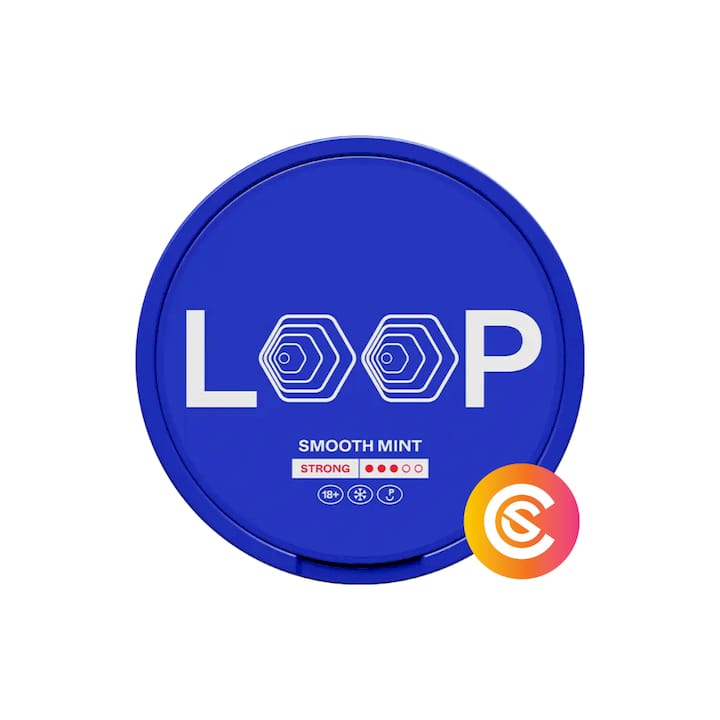
Three products worth knowing about as reference points: LOOP Smooth Mint Strong sits at the stronger end of the mint category; Paz Light Cool Mint is a lighter-strength option for users who want a cooler sensation with less intensity; and LOOP Habanero Mint Extra Strong combines spice and high strength, making it one to approach cautiously if you’re sensitive to burn.
How long should the burn last?

Mild tingling from a fresh pouch typically fades within 2–5 minutes as the initial nicotine and pH spike stabilizes. If the burn persists beyond 10 minutes at the same intensity, that’s a signal to remove the pouch.
Recovery timeline after a burn episode:
- Within minutes: Tingling should ease after removing the pouch and rinsing
- Within hours: Any surface redness or mild soreness should settle
- 1–3 days: Minor irritation from a single session usually resolves completely
- 1–2 weeks: Visible white discoloration at a placement site often fades after stopping use at that spot
- Beyond 2–6 weeks: Any lesion, white patch, or recession that hasn’t improved warrants a dental visit
Chemical-induced contact lesions in the oral mucosa — the category that pouch-related white patches fall into — typically resolve after removing the irritant, though biopsy may be needed if a lesion persists. The key variable is whether you keep placing pouches at the same site while the tissue is trying to heal.
Statistic callout: The case series in Diagnostic Pathology documented white lesions localized specifically to pouch placement sites, with histopathology confirming inflammatory and structural epithelial changes — a finding that underscores why rotating placement and monitoring recovery matters.
Practical monitoring checklist:
- Photograph any visible white patch or sore when you first notice it
- Track which product and placement site produced the reaction
- Check the site daily for improvement
- If no improvement after two weeks of avoiding that site, book a dental appointment
What the research actually shows
The clinical evidence on nicotine pouches and oral health is still building, but two types of findings are already clear: localized mucosal changes at placement sites, and in vitro signals that some pouch extracts can harm oral cells.
| Study type | Main finding | Certainty level |
|---|---|---|
| Histopathology case series (Diagnostic Pathology) | White lesions at placement sites; biopsies showed parakeratosis, acanthosis, edema, and chronic inflammatory infiltration | Moderate — case series, not controlled trial |
| In vitro toxicology (Archives of Toxicology) | Cytotoxicity and inflammatory/oxidative-stress gene changes in human gingival fibroblasts; flavoring agents identified as likely contributors | Moderate — lab model, not clinical outcome |
| Observational reporting (New Scientist) | Higher rates of gingival recession at placement sites in pouch users vs. non-users | Preliminary — observational, no causal proof |
The pattern across these findings is consistent: repeated local contact with pouch material produces tissue changes at the placement site. Whether those changes progress to more serious lesions with long-term use is not yet settled. That uncertainty is not a reason to dismiss the concern — it’s a reason to monitor.
Statistic callout: The in vitro study tested five nicotine pouches and found that some extracts produced cytotoxic effects and upregulated inflammatory and oxidative-stress genes in human gingival fibroblasts, with multiple flavoring compounds identified as potentially hazardous under standard classification systems.
Balancing harm reduction and oral health
The conventional framing around nicotine pouches tends to land in one of two places: either they’re presented as a clean, risk-free alternative to smoking, or they’re treated as just another harmful product. Neither framing is accurate, and neither helps users make good decisions.
Pouches eliminate combustion, tobacco leaf, and most of the carcinogens tied to smoking-related disease. For someone switching from cigarettes, that’s a meaningful reduction in systemic risk. But “lower risk than smoking” is not the same as “no risk,” and the oral tissue at the placement site doesn’t benefit from the comparison. It only knows what’s sitting against it.
The practical implication is straightforward: manage your nicotine goals and your oral health as two separate variables. Use the lowest strength that satisfies your needs, rotate placement, and treat any persistent lesion as a clinical matter rather than a minor inconvenience. For users who want to understand the broader safety picture, are nicotine pouches safe? covers the current evidence in more depth.
Milder options worth trying
If burning is a regular problem, the fastest fix is usually a product change. Lower nicotine strength and simpler flavoring are the two variables that move the needle most.
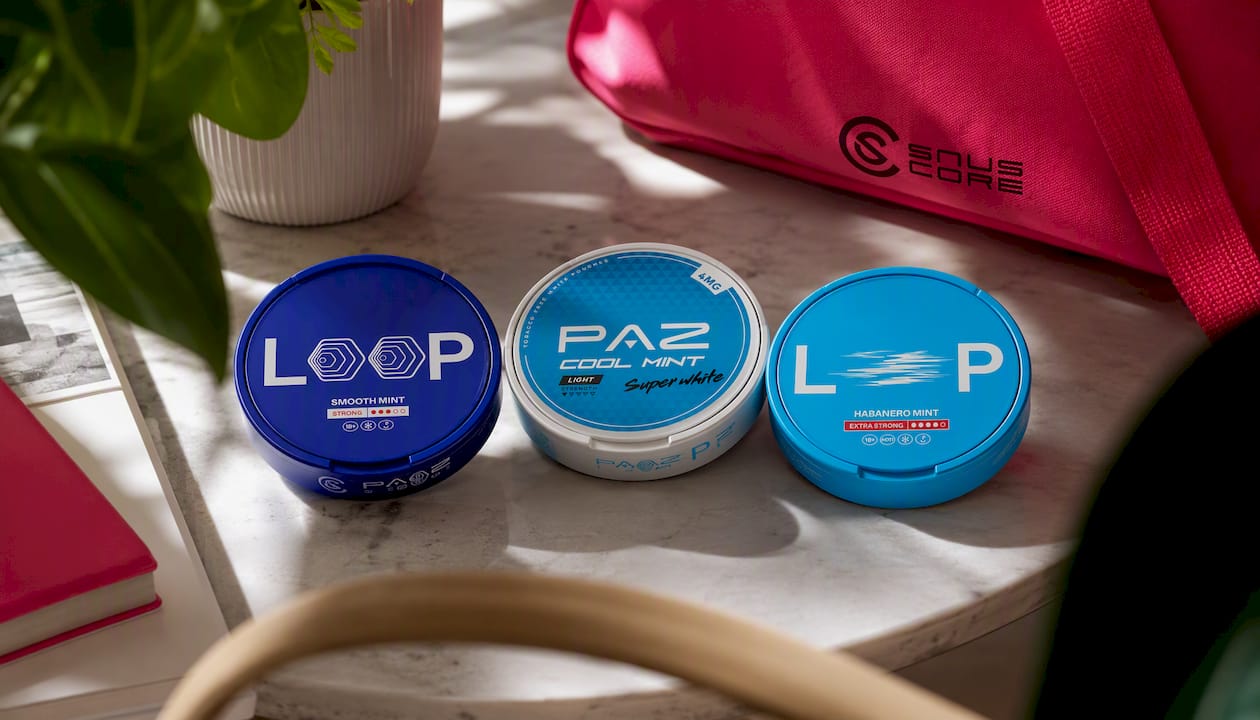
Snuscore stocks a range of options across strength levels and flavor profiles, so you can test without committing to a full supply. Paz Light Cool Mint is a practical starting point for users who want a cool-mint experience without the intensity of a strong formula. If you prefer a familiar mint profile at higher strength, LOOP Smooth Mint Strong is a well-reviewed option. For those who already know they tolerate heat and want to understand what extra-strong spiced pouches feel like before buying in volume, LOOP Habanero Mint Extra Strong is available as a single can.
Safe testing checklist:
- Buy a single can before committing to a bulk order
- Use one pouch and note the placement site and any reaction
- Wait 24 hours before forming a judgment on a new product
- If no irritation, continue; if burning is sharp or lingers, try a lower-strength or unflavored option next
Browse the full range at Snuscore and filter by strength to find options that fit your tolerance.
Sources
- Oral mucosal changes caused by nicotine pouches: case series | Diagnostic Pathology
- Link
- The Known and Unknown Health Risks of Oral Nicotine Pouches | University of Utah Health
- Nicotine pouches may cause receding gums | New Scientist
- Why nicotine pouches burn and how to prevent it (VersedVaper)
FAQ
Is it normal for a nicotine pouch to burn?
Yes, a mild tingle or brief burn in the first few minutes is common and expected. It reflects the pouch’s alkaline pH and nicotine stimulating oral nerve endings, not tissue damage.
Which nicotine pouches cause the most burn?
Extra-strong pouches with high nicotine content, high-pH formulas, and concentrated flavorings like cinnamon or habanero tend to produce the most intense sensation. LOOP Habanero Mint Extra Strong is an example of a product in that category.
How long should nicotine pouch irritation last?
Mild tingling fades within minutes; surface soreness from a single session usually clears within 1–3 days. White patches at a placement site can take 1–2 weeks to resolve after stopping use at that spot.
When should I see a dentist about pouch-related mouth burn?
See a dentist if a white patch, ulcer, or area of gum recession hasn’t improved within two weeks of avoiding that placement site, or if you notice bleeding, severe pain, or any change that keeps worsening.
Recommended
- Why Some Nicotine Pouches Burn Under the Lip? ➤ The latest news, tips, and insights on nicotine pouches | SnusCore
- How to Use Nicotine Pouches? All You Need to Know ➤ The latest news, tips, and insights on nicotine pouches | SnusCore
- How to Store Nicotine Pouches and Keep Them Fresh Longer ➤ The latest news, tips, and insights on nicotine pouches | SnusCore
- Glick Nicotine Pouches: All You Need to Know ➤ The latest news, tips, and insights on nicotine pouches | SnusCore


