


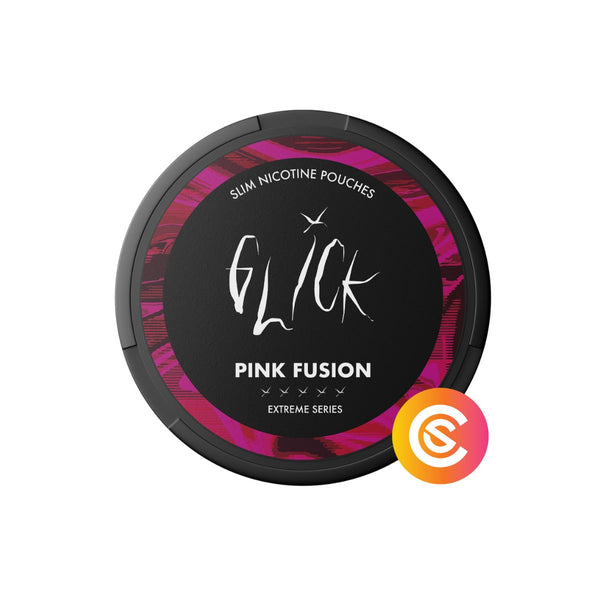


Most nicotine pouches are not biodegradable under normal conditions. Put used pouches in the regular trash. Do not compost them, flush them, or leave them on the ground.
Here is the short version of what you need to know:
- Verdict: Nicotine pouches contain regenerated cellulose, synthetic binders, sweeteners, and nicotine residue. Those ingredients block natural breakdown.
- Used pouches: Trash only. Not compost. Not the toilet.
- Empty cans: Rinse the can, check the plastic number on the bottom, and recycle if your local program accepts it.
- Authority context: Environmental modeling reviewed by CORESTA (an FDA-recognized research body), WHO environmental reporting, and municipal sanitation observations from cities like New York all flag pouch waste as a growing concern.
Table of Contents
- Key takeaways
- Do nicotine pouches actually biodegrade in real-world conditions?
- How long does a pouch take to break down?
- Can you compost used nicotine pouches?
- How to recycle the tin and outer packaging
- What are the real environmental harms from pouch litter?
- How to read eco-claims on packaging and spot greenwashing
- Snuscore’s perspective on pouch disposal and environmental responsibility
- Authoritative sources for further reading
- Snuscore carries brands with clear packaging and disposal guidance
- FAQ
- Key Takeaways
Key takeaways
- Pouches are made from semi-synthetic materials that resist breakdown for years, similar to cigarette filters.
- Nicotine residue in discarded pouches is acutely toxic to insects, birds, and aquatic organisms at low concentrations.
- Correct disposal: household trash for used pouches, rinse-and-recycle for empty metal or single-material plastic cans.
- When buying, choose products with clearly labeled, single-material recyclable cans and brands that publish disposal guidance.
Do nicotine pouches actually biodegrade in real-world conditions?
The short answer is: slowly, partially, and with environmental consequences along the way.
Researchers describe nicotine pouches as a gray area between organic material and plastic. The regenerated cellulose and thermoplastic polymer components cause pouches to behave like cigarette filters in the environment. They soften and fragment over time, but they do not fully decompose. Those fragments can behave like microplastics, accumulating in soil and waterways.
Environmental modeling reviewed through CORESTA found that expected nicotine concentrations from disposal scenarios generally stayed below the 1 microgram per liter de minimis threshold used in regulatory assessments. That sounds reassuring, but those models covered wastewater treatment and septic systems. They did not model litter, visual pollution, or fragmentation into persistent solids. The modeling scope matters.
The “plant-based” label on many pouches does not carry any legal biodegradability standard. No mainstream nicotine pouch brand currently holds an ASTM D6400, ASTM D6868, or EN 13432 certification, which are the recognized third-party standards for compostability. Without those certifications, a “plant-based” claim tells you about ingredient origin, not environmental fate.
Sales of nicotine pouches soared by 641% between 2019 and 2022, and municipal sanitation officials in cities including New York report that pouch litter is now a visible urban problem, comparable in scale to cigarette butts.
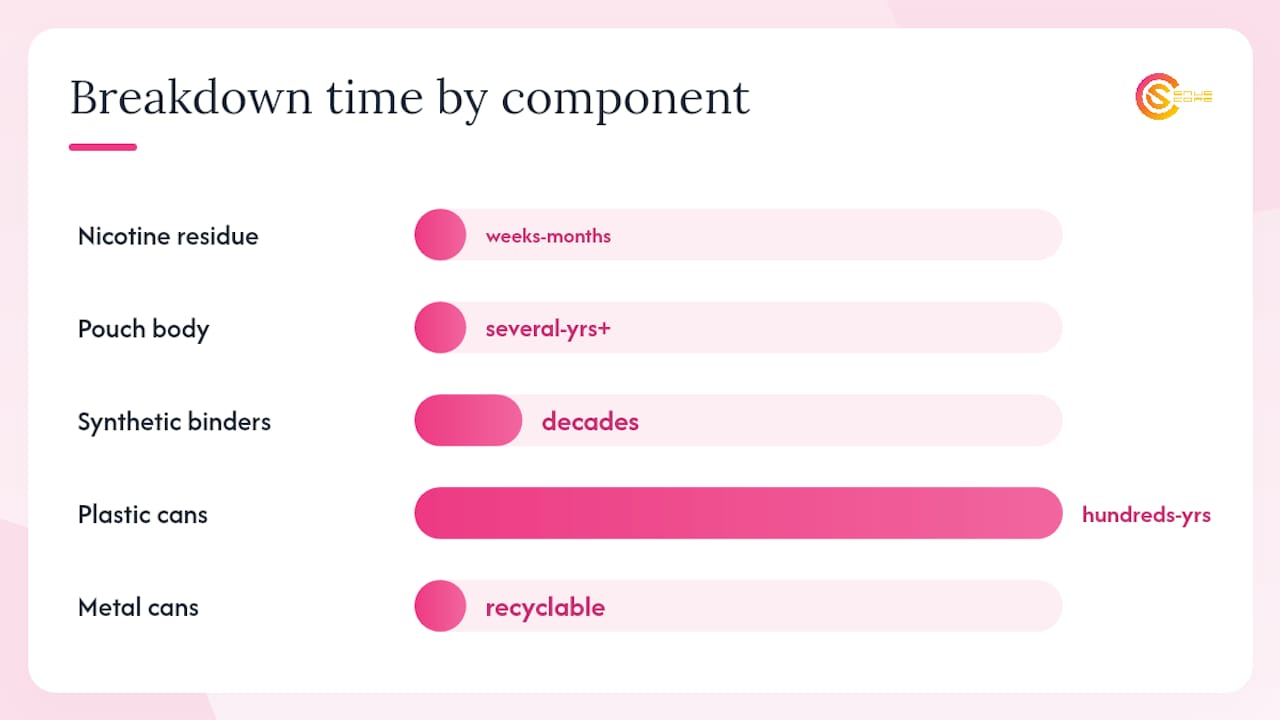
How long does a pouch take to break down?
Timelines vary by environment: sunlight, soil microbes, temperature, moisture, and whether the pouch is buried or left on a surface all affect the rate. These are approximate ranges based on material type, not controlled lab results for any specific brand.
| Component | Approximate breakdown range | Comparison |
|---|---|---|
| Pouch body (regenerated cellulose mesh) | Several years to over a decade | Similar to cigarette filter cellulose acetate |
| Nicotine residue | Weeks to months (degrades but toxic during that window) | Faster than the pouch structure itself |
| Synthetic binders / thermoplastic elements | Decades | Similar to common plastic items |
| Metal cans (steel/aluminum) | — | Recyclable if clean |
| Single-material plastic cans | Hundreds of years if landfilled | Recyclable where accepted |
Cigarette butts are the most commonly collected plastic pollutant globally, and pouches share similar persistence characteristics. Single-use e-cigarette batteries represent another nicotine-product waste stream with decade-scale persistence. Pouches sit in the same general category: slow to break down, with components that outlast the product’s useful life by years.
Can you compost used nicotine pouches?
No. Home composting and standard curbside composting programs are not appropriate for used nicotine pouches, and that applies to virtually every commercial brand available today.
Three reasons composting does not work:
- Synthetic binders and granulation agents do not break down in a home compost pile. They require industrial conditions that most composting facilities do not apply to unknown consumer waste.
- Sweeteners like sucralose and acesulfame K are resistant to microbial degradation and can pass through composting processes largely intact.
- Nicotine residue is toxic to soil organisms and earthworms at the concentrations present in a used pouch. Adding nicotine-contaminated material to compost undermines the compost’s biological activity.
Independent environmental analyses confirm that these ingredients collectively prevent complete breakdown under normal composting conditions.
If a brand claims its pouches are compostable, verify the following before acting on that claim:
- Look for a third-party certification logo: ASTM D6400 or ASTM D6868 (US standards), or EN 13432 (European standard).
- Check whether your local industrial composting facility accepts the product. Even certified compostable items are often rejected by municipal programs.
- Ask the brand for the test report, not just the marketing claim.
Pro Tip: No mainstream nicotine pouch brand currently holds ASTM D6400 or EN 13432 certification. If you see “plant-based” or “natural” on the label without a third-party certification mark, treat the pouch as non-compostable.
How to recycle the tin and outer packaging
The used pouch itself is trash. The empty can is a different story, and handling it correctly reduces landfill volume.
Steps for recycling the can:
- Empty the dispenser compartment (the top section where used pouches are stored).
- Place used pouches in the trash, not back into the can for recycling.
- Rinse the empty can with water to remove nicotine residue.
- Check the bottom of the can for a plastic resin code (the number inside the recycling triangle).
- Confirm with your local recycling program whether that plastic type is accepted. Rules vary by city and county.
- Recycle if accepted; trash if not.
What is typically recyclable: Single-material plastic cans (check resin code), aluminum cans (if your program accepts small aluminum), and cardboard outer packaging.
What is not recyclable: Used pouches (contaminated), multi-material lids bonded to different plastics, and any packaging with nicotine residue that cannot be rinsed clean.
If you are away from a trash can, use the can’s built-in used-pouch compartment as temporary storage. A small resealable bag in your pocket works just as well for travel situations.
What are the real environmental harms from pouch litter?
Improper disposal creates several overlapping problems:
- Waste scale: — With nicotine pouch sales growing rapidly, the cumulative waste volume is increasing faster than public awareness of proper disposal. The WHO has flagged tobacco-related product waste as a public health and environmental concern requiring industry accountability.
The single-use e-cigarette battery waste problem documented by University of Oxford researchers offers a useful parallel: when a nicotine product category scales rapidly without clear disposal infrastructure, waste accumulates faster than solutions emerge.
How to read eco-claims on packaging and spot greenwashing
“Biodegradable,” “compostable,” and “biobased” are not interchangeable, and only one of them carries a testable, certifiable standard.
What the terms actually mean:
- Biobased: The ingredients come from biological sources (plants, not petroleum). Says nothing about how the product breaks down.
- Biodegradable: The material will break down through biological activity. No legal standard governs this claim in the US for most consumer products. Timelines and conditions are unspecified.
- Compostable: The material breaks down into non-toxic components within a defined timeframe under specific conditions. This is the only term with recognized third-party certification standards.
Certifications that matter:
- ASTM D6400: US standard for compostable plastics in industrial composting facilities.
- ASTM D6868: US standard for compostable packaging with coatings or laminates.
- EN 13432: European standard for compostable packaging; sometimes accepted by US industrial composters.
How to verify a claim:
- Look for a third-party certifier logo (BPI, TÜV Austria, DIN CERTCO) on the packaging, not just a leaf icon or green color scheme.
- Ask the brand for the test report number and certifying body.
- Check whether your local composting facility accepts the certified product. Certification alone does not guarantee local acceptance.
Promotional language like “plant-based pouch” or “natural ingredients” does not satisfy any of these standards. Common nicotine pouch myths around “natural” and “clean” labeling are worth reviewing before making purchasing decisions based on environmental claims.
Snuscore’s perspective on pouch disposal and environmental responsibility
Snuscore is a reseller, not a manufacturer. That position carries a specific responsibility: to provide clear, accurate information about the products listed in the catalog, including how to dispose of them correctly.
The biodegradability question is one where marketing language and environmental reality frequently diverge. “Plant-based” is a sourcing claim, not a disposal instruction. Snuscore’s role is to make that distinction clear and to recommend products with recyclable packaging and transparent disposal guidance wherever possible.
Readers with product-specific disposal questions can contact Snuscore’s customer support directly through snuscore.com. For product recycling details, the product pages for items like KILLA Bubblegum Extra Strong, ZYN Citrus Mini 2, and Lundgrens Höståker include packaging information that can help you identify the correct disposal path for each can type.
Authoritative sources for further reading
- Sachets de nicotine : une nouvelle source de pollution plastique — generationsanstabac.org
- Nicotine pouches are everywhere — except in the trash — NBC News
- Potential environmental impact — CORESTA abstract
- Are ZYNs Biodegradable? Nicotine Pouch Waste Explained — The Environmental Blog
- Nicotine pouches: Purchases soar, so does the litter — Farm Progress
- WHO raises alarm on tobacco industry environmental impact — WHO
- Tiny but deadly: cigarette butts are the most commonly polluted plastic — EarthDay
- Study finds vast amounts of waste are caused by single-use e-cigarette batteries — University of Oxford News
Snuscore carries brands with clear packaging and disposal guidance
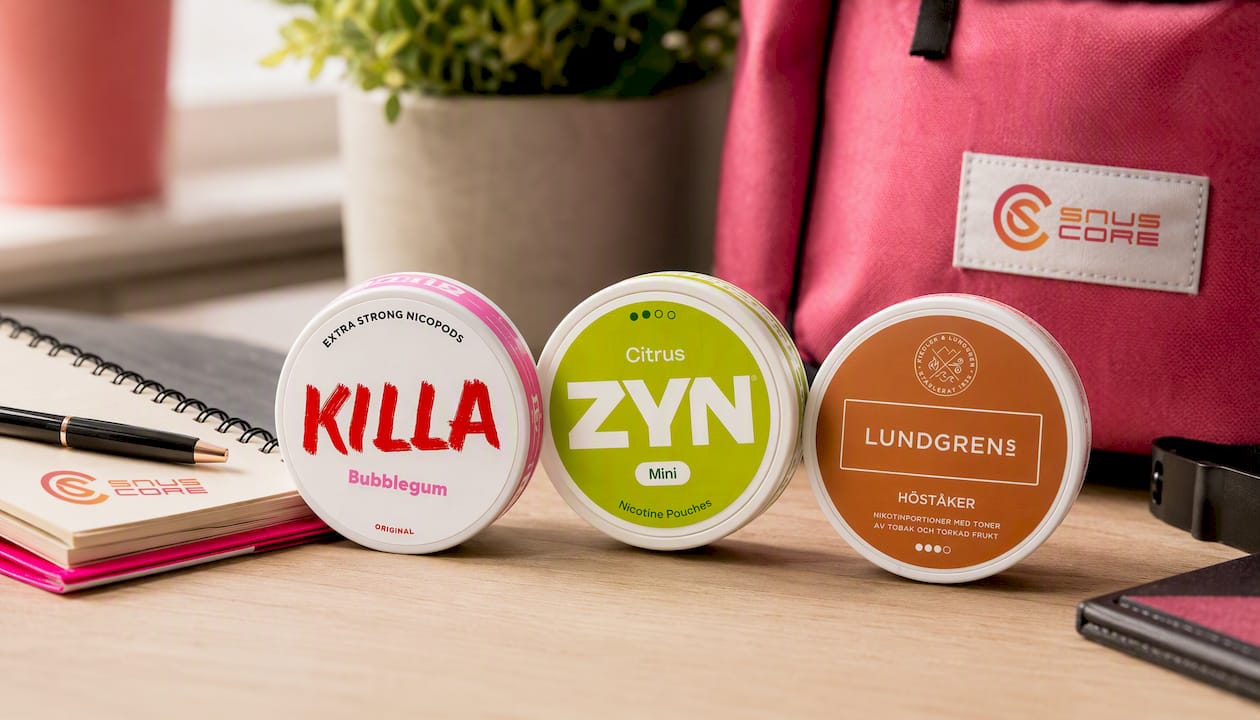
Snuscore stocks a curated range of tobacco-free nicotine pouches from brands that publish packaging specifications and disposal guidance. For users who want to minimize waste, that transparency matters when choosing between products.
KILLA Bubblegum Extra Strong comes in a compact, single-material can that is straightforward to rinse and recycle where local programs accept it. ZYN Citrus Mini 2 is one of the most widely used mini-format pouches, with a slim can designed for easy pocket carry and used-pouch storage. Lundgrens Höståker offers a distinct Scandinavian format with clear labeling that makes disposal decisions simple.
Browse the full catalog at snuscore.com and filter by brand, strength, or format. Customer support is available for any questions about specific product packaging or disposal.
FAQ
How long does it take for a nicotine pouch to biodegrade?
The pouch body (regenerated cellulose mesh) takes several years to break down under environmental conditions, with synthetic binders and thermoplastic components persisting much longer.
Why aren’t ZYN pouches biodegradable?
ZYN and most commercial pouches contain regenerated cellulose, synthetic binders, and sweeteners like sucralose and acesulfame K that resist microbial breakdown. None of these ingredients meet ASTM D6400 or EN 13432 compostability standards.
Are nicotine pouches safe for the environment?
Discarded pouches pose real risks: nicotine residue is toxic to aquatic life and soil organisms, and the semi-synthetic fibers can fragment into microplastic-like particles. Proper disposal in household trash significantly reduces these risks.
Can dentists tell if you use ZYNs?
Dentists can often detect signs of regular nicotine pouch use, including gum recession or tissue changes in the area where pouches are typically placed. Regular dental checkups are advisable for any nicotine product user.
Key Takeaways
Most nicotine pouches are not biodegradable under real-world conditions, and correct disposal means household trash for used pouches and rinse-and-recycle for empty cans.
| Point | Details |
|---|---|
| Not biodegradable | Regenerated cellulose, synthetic binders, and sweeteners block natural breakdown; pouches can persist for years. |
| Trash, not compost or toilet | Used pouches belong in household trash only; flushing risks sewage blockages and aquatic nicotine exposure. |
| Recycle the empty can | Rinse the can, check the resin code, and recycle if your local program accepts that plastic type. |
| “Plant-based” is not “compostable” | No mainstream pouch brand holds ASTM D6400 or EN 13432 certification; verify claims before composting. |
| Snuscore for transparent options | Snuscore lists brands with clear packaging specs and disposal guidance at snuscore.com. |
Recommended
- Are Nicotine Pouches Safe? ➤ The latest news, tips, and insights on nicotine pouches | SnusCore
- Glick Nicotine Pouches: All You Need to Know ➤ The latest news, tips, and insights on nicotine pouches | SnusCore
- How to Store Nicotine Pouches and Keep Them Fresh Longer ➤ The latest news, tips, and insights on nicotine pouches | SnusCore
- Do Nicotine Pouches and Snus Expire? Storage Tips You Need to Know ➤ The latest news, tips, and insights on nicotine pouches | SnusCore


