


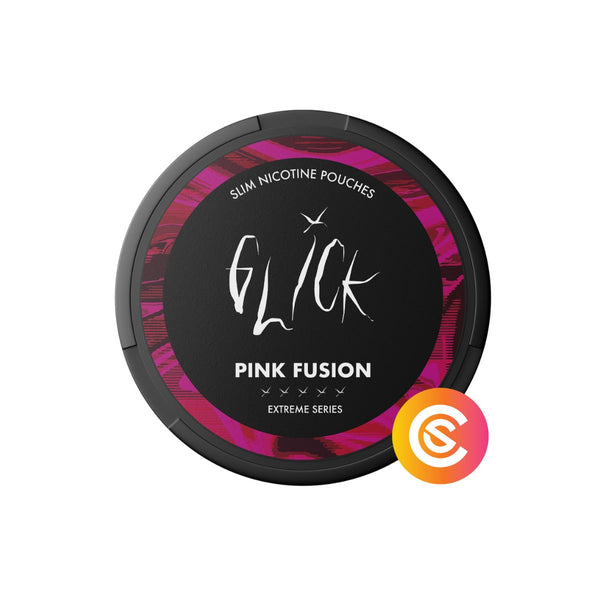


For adult smokers, nicotine pouches are likely to be less harmful than continuing to smoke. They eliminate combustion, which removes tar, carbon monoxide, and most smoke-derived carcinogens from the equation. That is a meaningful difference. For people who do not currently use nicotine, pouches are not safe and should not be started.
Quick verdict:
- Pouches eliminate combustion toxicants (tar, CO, PAHs). Cigarettes do not.
- Pouches still deliver addictive nicotine and cause oral irritation, gum soreness, and dry mouth.
- Cochrane’s 2025 review found no evidence pouches are “safe” and mixed signals on quit success.
- The FDA has authorized marketing for some pouch products but has not approved any as a cessation therapy.
- The Cleveland Clinic is direct: “safer than smoking” is not the same as “safe.”
For smokers considering a switch: Treat pouches as a harm-reduction step, not a permanent solution. Pair any switch with a plan to quit entirely, and consult a clinician about FDA-approved cessation options.
For non-smokers: Do not start. The nicotine dependence risk is real regardless of the delivery format.
Key Takeaways
Nicotine pouches eliminate combustion toxicants and are likely less harmful than cigarettes for adult smokers, but they remain addictive, carry oral health risks, and are not FDA-approved cessation aids.
| Point | Details |
|---|---|
| Combustion risk eliminated | Pouches remove tar, CO, and PAHs; cigarettes do not. |
| Nicotine exposure remains | 4 mg pouches deliver about two-thirds of cigarette peak nicotine; higher-dose pouches can deliver more. |
| Oral health risks are real | Gum soreness, mucosal irritation, and dry mouth are common with regular pouch use. |
| No proven quit tool | Cochrane found mixed or negative signals for quit success versus other cessation methods. |
| Snuscore’s role | Snuscore is a retailer offering tobacco-free pouches in multiple strengths; consult a clinician before switching. |
Table of Contents
- How do nicotine pouches differ from snus, smokeless tobacco, and NRT?
- How does nicotine delivery compare between pouches and cigarettes?
- What are the health risks of pouches compared to cigarettes, by organ system?
- Are nicotine pouches addictive, and why do flavors raise youth concerns?
- Do nicotine pouches help people quit smoking?
- Practical steps for smokers thinking about switching
- What does FDA authorization actually mean for nicotine pouches?
- What the research still does not know
- Snuscore’s perspective on harm reduction and our role as a retailer
- Snuscore carries tobacco-free pouches across strengths and flavors
- Sources
- FAQ
How do nicotine pouches differ from snus, smokeless tobacco, and NRT?
Nicotine pouches are small, tobacco-free pouches placed between the upper lip and gum. Nicotine is absorbed through the buccal mucosa (the lining of the mouth) rather than inhaled. They contain nicotine in powder or granule form, combined with fillers (plant fiber, cellulose), flavorants, pH modifiers (to control how much freebase nicotine is released), and preservatives. No tobacco leaf is present.
That last point separates them from both snus and traditional smokeless tobacco, which do contain cured or fermented tobacco leaf and carry tobacco-specific nitrosamines (TSNAs). Nicotine replacement therapies (NRT) such as patches, gum, and lozenges are a different category again: they are FDA-approved medications with clinical trial evidence for cessation, regulated under a therapeutic standard rather than a tobacco-product standard.
| Category | Contains tobacco leaf | Route | Typical flavors | Intended use |
|---|---|---|---|---|
| Nicotine pouches | No | Buccal (oral) | Mint, fruit, citrus | Recreational/harm reduction |
| Snus | Yes | Buccal (oral) | Tobacco, mint | Recreational |
| Smokeless tobacco (chew/dip) | Yes | Buccal/oral | Tobacco, wintergreen | Recreational |
| NRT (gum, patch, lozenge) | No | Buccal/transdermal | Mint, fruit | FDA-approved cessation |
Being tobacco-free does not make a pouch an FDA-approved cessation aid. The two categories are regulated under entirely different frameworks.
Ingredient lists matter more than most users realize. The ratio of freebase to protonated nicotine affects how quickly nicotine crosses the mucosal membrane, and pH modifiers in the pouch can shift that ratio significantly. Flavor compounds also influence how long a pouch stays in place and how frequently someone reaches for another one.
How does nicotine delivery compare between pouches and cigarettes?
Three pharmacokinetic terms define the comparison: Cmax (peak nicotine concentration in blood), AUC (total nicotine exposure over time), and Tmax (time to reach peak concentration).
A systematic review and meta-analysis of pouch pharmacokinetics found that 4 mg pouches deliver approximately 69.15% (95% CI: 58.55–79.76%) of the peak nicotine concentration seen with cigarettes, and about 91.73% (95% CI: 85.03–98.42%) of total cigarette nicotine exposure in pooled trial analyses. The critical difference is speed: cigarettes reach peak blood nicotine in roughly 5–8 minutes, while pouches take 20–65 minutes to reach Tmax.
The slower uptake matters for two reasons. First, the rapid spike from a cigarette is a key driver of the reinforcing “hit” that strengthens dependence. Pouches blunt that spike at lower doses. Second, dose is not fixed: pouch strength factors like pH, freebase content, and format can push total exposure well above a cigarette’s at higher doses. A >8 mg pouch can exceed cigarette Cmax entirely, which changes the abuse-liability picture.
Most studies in this area carry some industry funding, which limits certainty. Independent replication of these pooled estimates is still needed.
What are the health risks of pouches compared to cigarettes, by organ system?
Lungs
Cigarettes produce combustion byproducts: tar, carbon monoxide, acrolein, and polycyclic aromatic hydrocarbons (PAHs). These are the primary drivers of COPD, emphysema, and lung cancer. Pouches produce none of them. For a current smoker, eliminating inhalation removes the largest single category of tobacco-related lung harm.
Cancer risk
The picture is less clear here. Combustion-derived carcinogens drop sharply with pouches, but the American Cancer Society notes that long-term cancer risk from pouches remains unknown. Pouches may contain other harmful substances beyond nicotine, and no long-term epidemiological data yet exists for this product category.
Cardiovascular
Nicotine itself raises heart rate and blood pressure regardless of delivery method. Cigarette smoke adds carbon monoxide and oxidative stress on top of that. Switching to pouches removes the CO and smoke-related vascular damage, but cardiovascular risk from nicotine alone persists, particularly for people with existing heart disease.
Oral cavity
This is where pouches introduce new risks. The Cleveland Clinic reports gum soreness, mucosal irritation, dry mouth, and tooth discoloration as common effects. Chronic use may contribute to gum recession. Cigarettes cause oral cancer risk through combustion carcinogens; pouches avoid those but create localized tissue irritation at the placement site. For more detail on tooth effects specifically, see this breakdown of staining risks.
Gastrointestinal and acute effects
Swallowed nicotine from pouches can cause nausea, hiccups, and reflux, particularly in new users or at higher doses. Headache is also reported. These effects tend to diminish with regular use but signal nicotine overexposure when they persist.
Environmental and cost notes
Cigarette butts are the most collected item in beach and urban cleanups globally, containing plastic filters and toxic residue. Pouch packaging generates less litter volume but is not biodegradable. On cost, cigarettes in the U.S. average roughly $8–$10 per pack depending on state taxes; pouches vary by brand and strength but are generally comparable per-day at moderate use levels.
Are nicotine pouches addictive, and why do flavors raise youth concerns?
Nicotine dependence does not require combustion. The addiction risk from pouches is real and shaped by several factors:
- Nicotine dose per pouch: Higher doses increase dependence potential.
- Freebase nicotine content: Freebase form crosses mucosal membranes faster, producing a stronger effect. See why some pouches hit harder for a plain-language explanation.
- Speed of delivery: Faster absorption strengthens the behavioral reinforcement loop.
- Frequency of use: Pouches can be used in settings where smoking is prohibited, which may increase daily use frequency.
- Flavors: Mint, fruit, and candy-adjacent flavors lower the sensory barrier to initiation, particularly for younger users.
- Marketing: Aggressive digital and retail marketing targets young adults.
NIDA surveillance data and CDC guidance both flag youth and young adult uptake of flavored non-tobacco nicotine products as a public-health concern. Adolescents, pregnant people, and nicotine-naive adults face the highest risk from initiation.
Dual use, meaning using pouches alongside cigarettes rather than replacing them, is a major harm-reduction pitfall. It can maintain or increase total daily nicotine exposure without removing any combustion risk. If the goal is harm reduction, complete substitution is the only route that delivers it.
Do nicotine pouches help people quit smoking?
The honest answer: the evidence is thin and mixed. Small pilot studies and pharmacokinetic trials show pouches can reduce cigarette cravings and may lower daily cigarette consumption in the short term. But results are inconsistent, many studies are industry-funded or small in sample size, and no large independent RCT has confirmed long-term abstinence benefits.
The Cochrane review found that some small studies suggest pouch users may actually be less likely to quit smoking than people using other cessation methods or e-cigarettes. That is a meaningful signal, even from limited data.
By contrast, NRT products (patches, gum, lozenges, inhalers) have substantial meta-analytic support for increasing quit rates, and combination NRT (a fast-acting form plus a patch) outperforms single-form NRT. Prescription medications like varenicline (Chantix/Champix) and bupropion carry even stronger evidence. None of that evidence base exists yet for nicotine pouches. For a direct comparison of pouches and oral NRT, this guide on pouches vs gum covers the key differences.
If permanent abstinence is the goal, consult a clinician and prioritize FDA-approved cessation treatments. Pouches may reduce harm in the interim, but they are not a proven quit tool.
Practical steps for smokers thinking about switching
If you currently smoke and are considering pouches as a harm-reduction step, here is a clinician-aligned approach:
- Consult your clinician first. Discuss your cardiovascular history, any medications, and whether FDA-approved cessation aids are appropriate for your situation.
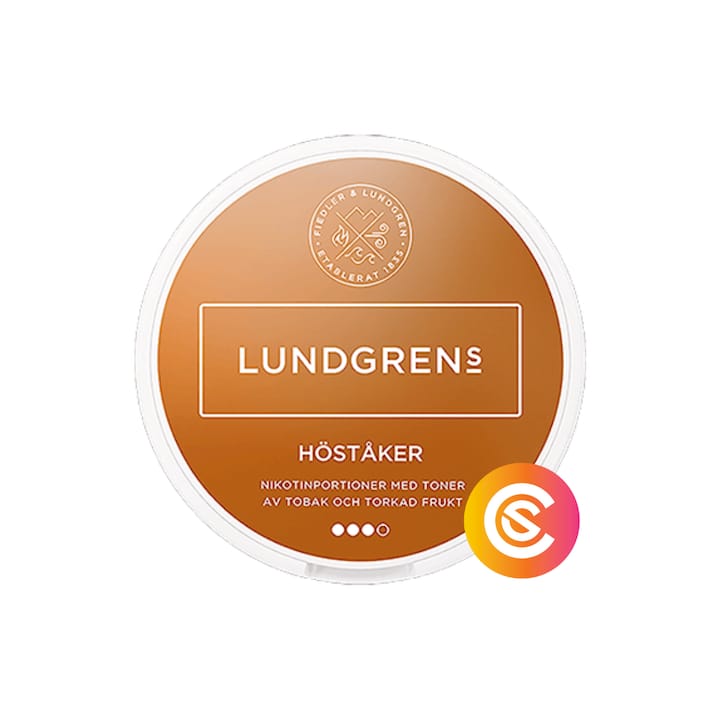
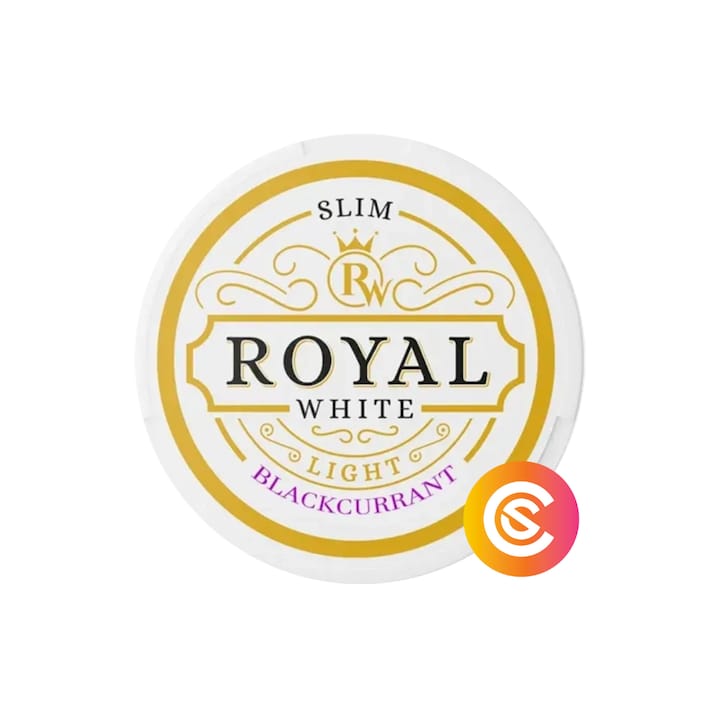
- Start with a lower-strength pouch. Products like Lundgrens Höståker or Royal White Black Currant Light offer lower-dose options suitable for smokers beginning a transition. Avoid jumping to high-strength products.
- Avoid dual use. Set a clear date to stop smoking entirely. Using pouches alongside cigarettes does not reduce combustion exposure.
- Monitor oral health. Schedule a dental check within the first three months of switching. Watch for gum soreness, mucosal changes, or tooth sensitivity.
- Combine with behavioral support. Cessation counseling, quitlines (1-800-QUIT-NOW), and behavioral apps improve outcomes. If cravings remain difficult to manage, discuss adding an FDA-approved NRT or medication.
Pro Tip: Track how many pouches you use per day from week one. If the number climbs rather than stabilizes, that is a signal to reassess dose or seek additional cessation support.
⚠️ Avoid pouches entirely if you are pregnant, have cardiovascular disease, or are under 21. Nicotine is harmful to fetal development, raises cardiovascular risk, and the adolescent brain is particularly vulnerable to dependence.
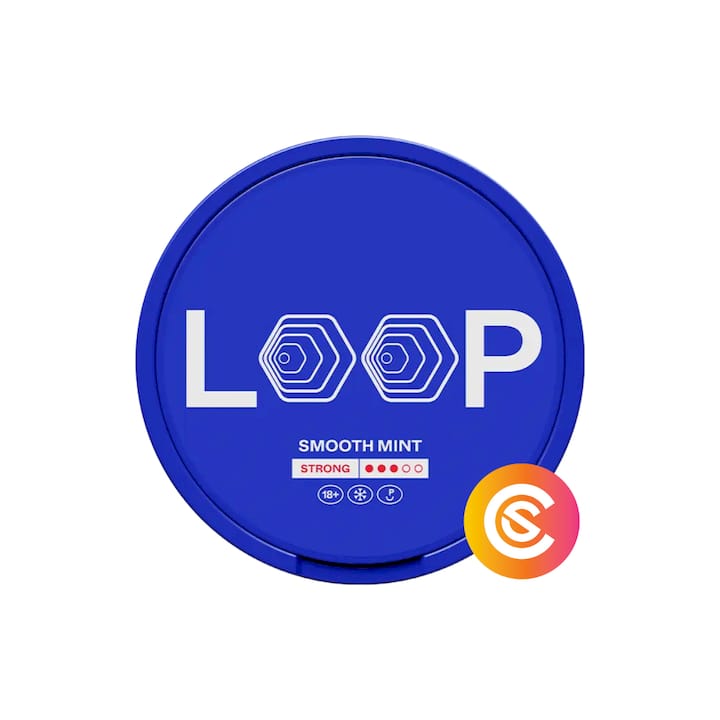
Note: LOOP Smooth Mint Strong is a higher-strength pouch available at Snuscore. Given what the pharmacokinetic data shows about >8 mg products potentially exceeding cigarette nicotine exposure, high-strength options like this are not a recommended starting point for smokers new to pouches.
What does FDA authorization actually mean for nicotine pouches?
The FDA’s Premarket Tobacco Product Application (PMTA) process requires manufacturers to demonstrate that a product is “appropriate for the protection of public health.” In March 2024, the FDA authorized marketing for 20 ZYN nicotine pouch products after scientific review. That authorization permits sale. It does not mean the product is FDA-approved as a smoking cessation therapy, and it does not mean the product is safe.
No nicotine pouch currently holds FDA approval as a cessation medication. That distinction matters when reading product marketing. Phrases like “tobacco-free” or “smoke-free” describe what a product lacks, not what it does therapeutically.
When evaluating any study cited in pouch marketing, check for: conflict-of-interest (COI) disclosures, sample size, whether the primary endpoint was CO-verified abstinence or just self-reported reduction, and whether the study was peer-reviewed. The CDC’s nicotine pouch guidance is a reliable starting point for current public-health positioning.
What the research still does not know
The pharmacokinetic picture for pouches is reasonably well-characterized at the short-term level. The meta-analysis pooled estimates for 4 mg pouches (Cmax ~69% of cigarette, AUC ~92% of cigarette, Tmax 20–65 min) give a solid baseline. What remains genuinely unknown:
- Long-term cancer outcomes. No longitudinal epidemiological data exists for pouches as a product category. The absence of combustion carcinogens is encouraging, but it is not proof of cancer safety.
- Long-term cardiovascular outcomes. Nicotine’s cardiovascular effects over years of pouch use have not been studied independently.
- Cessation efficacy in large independent trials. Most available cessation data is small-sample or industry-funded. Independent RCTs with CO-verified abstinence endpoints are still needed.
- Youth longitudinal data. How adolescent uptake of flavored pouches translates into long-term dependence patterns is not yet tracked at scale.
- Real-world dual-use behavior. Most studies measure controlled settings; real-world dual-use rates and their net harm impact are not well-documented.
Action on Smoking and Health (ASH) notes that much available research has tobacco-industry ties, which complicates interpretation. When reading a study, prioritize those with independent funding, larger samples, and clinical endpoints (CO-verified abstinence, sustained quit rates) over self-reported consumption metrics.
Snuscore’s perspective on harm reduction and our role as a retailer
Snuscore is a retailer of tobacco-free nicotine pouches. We sell products, including the ones mentioned in this article. That context matters when reading anything we publish.
Our position is straightforward: nicotine pouches are likely to be less harmful than cigarettes for adult smokers, based on the current evidence. They are not safe, they are not cessation medications, and they are not appropriate for non-smokers, adolescents, or pregnant people. This article reflects that evidence, including where it is limited or unfavorable to the product category.
The products referenced here, including Lundgrens Höståker, Royal White Black Currant Light, and LOOP Smooth Mint Strong, are available on our site. We present them as options, not as medical recommendations.
Consult a healthcare provider for personalized advice on cessation or harm reduction. This article is general information only.
Snuscore carries tobacco-free pouches across strengths and flavors
Adult smokers who have weighed the evidence and decided to try pouches as a harm-reduction step need a reliable source with clear product information. Snuscore stocks a range of tobacco-free nicotine pouches across multiple brands, strengths, and flavors, with no tobacco leaf in any product.
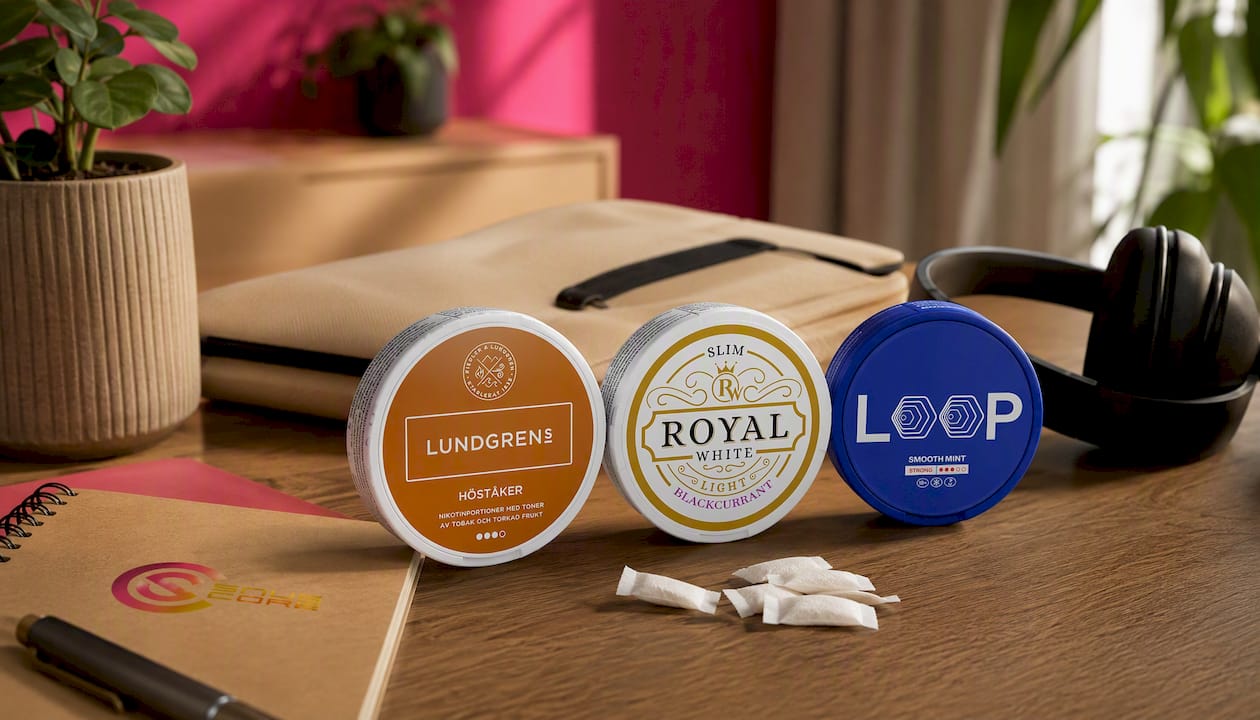
For smokers starting a transition, lower-dose options like Lundgrens Höståker and Royal White Black Currant Light are practical starting points. Experienced users looking for higher-strength formats can find options like LOOP Smooth Mint Strong. Every product page lists nicotine strength clearly so you can match dose to your current cigarette consumption. Browse the full range at Snuscore and use the strength guides to choose a starting point that fits your situation.
This article is general information, not medical advice. Consult a healthcare provider before making changes to your nicotine use.
This article is general information, not a substitute for advice from a qualified doctor. Consult a qualified healthcare professional about your own circumstances before acting on anything here.
Sources
- Nicotine pouch pharmacokinetics compared to smoked tobacco: A systematic review and meta-analysis
- Cochrane review on oral nicotine pouches (CD016220)
- Are nicotine pouches safe? | Cleveland Clinic Health Essentials
- FDA authorizes marketing of 20 ZYN nicotine pouch products after extensive scientific review
- Nicotine pouches | CDC
FAQ
Are nicotine pouches as bad as smoking?
No. Pouches eliminate combustion, removing tar, carbon monoxide, and most smoke-derived carcinogens. They still deliver addictive nicotine and cause oral side effects, but the overall harm profile is lower than cigarettes for current smokers.
Which is healthier, a cigarette or a nicotine pouch?
For an adult who currently smokes, a nicotine pouch is likely less harmful because it avoids combustion toxicants. Neither product is safe, and neither is appropriate for non-smokers or adolescents.
How many nicotine pouches equal one cigarette?
There is no fixed equivalence. Dose, freebase content, and individual absorption all affect the comparison.
Is using 20 nicotine pouches a day harmful?
Twenty pouches per day represents very high nicotine exposure and significantly increases dependence risk and oral tissue irritation. High daily use warrants a conversation with a clinician about tapering and cessation support.
Recommended
- Nicotine Pouches vs Patches: Which One Is Right for You?
- Are Nicotine Pouches Safe? ➤ The latest news, tips, and insights on nicotine pouches | SnusCore
- Common Nicotine Pouch Myths and Facts: What You Should Know ➤ The latest news, tips, and insights on nicotine pouches | SnusCore
- Glick Nicotine Pouches: All You Need to Know ➤ The latest news, tips, and insights on nicotine pouches | SnusCore


