


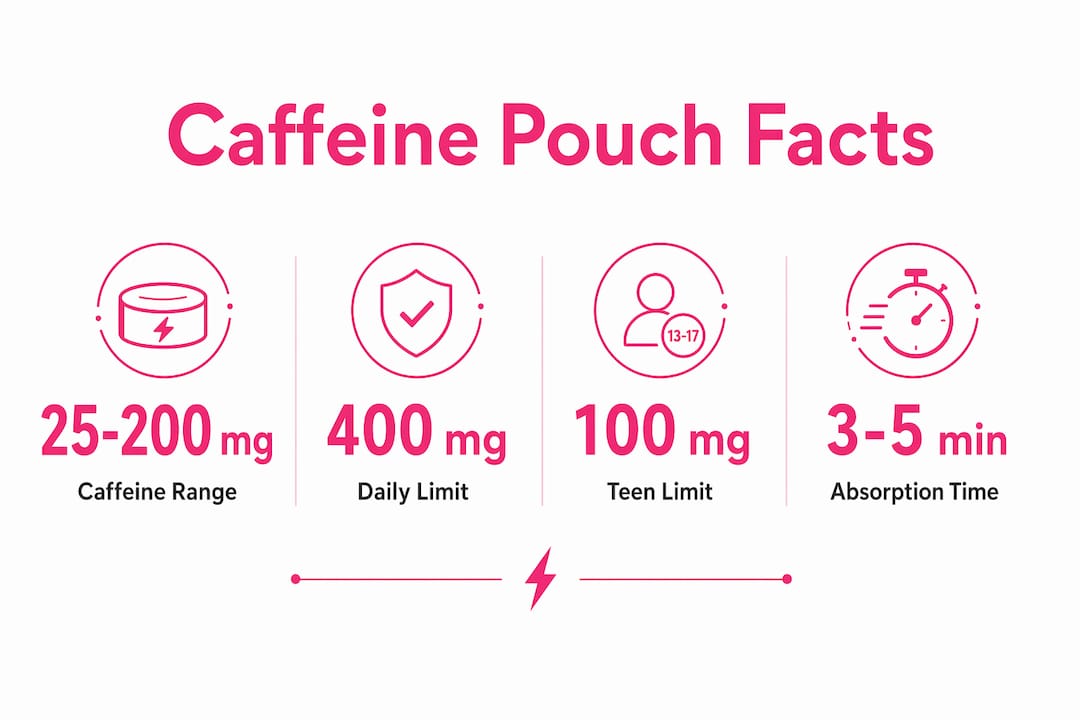
Caffeine pouches are small, tobacco-free oral products that deliver between 25 mg and 200 mg of caffeine per pouch through the lining of the mouth. That range matters: a single high-strength pouch can contain as much caffeine as two standard cups of coffee. Unlike coffee or energy drinks, caffeine pouches carry no federal age restrictions and no standardized dosing requirements. The American Academy of Pediatrics recommends children under 12 avoid caffeine entirely, and teens should stay under 100 mg daily. For adults who use them responsibly, caffeine pouches carry a manageable risk profile. For younger users or anyone with a heart condition, the risks are real and documented.
Are caffeine pouches safe to use?
Caffeine pouches, also called oral caffeine products or buccal caffeine pouches in clinical literature, sit in a regulatory gray zone. They are classified mostly as foods or supplements, which means manufacturers face minimal labeling controls. That classification gives brands wide latitude on dosage, flavoring, and marketing.
The core safety question comes down to three factors: how much caffeine is in the pouch, who is using it, and what else they consumed that day. A 50 mg pouch used by a healthy adult who skipped their morning coffee is a very different situation from a 200 mg pouch used by a teenager who already drank an energy drink.
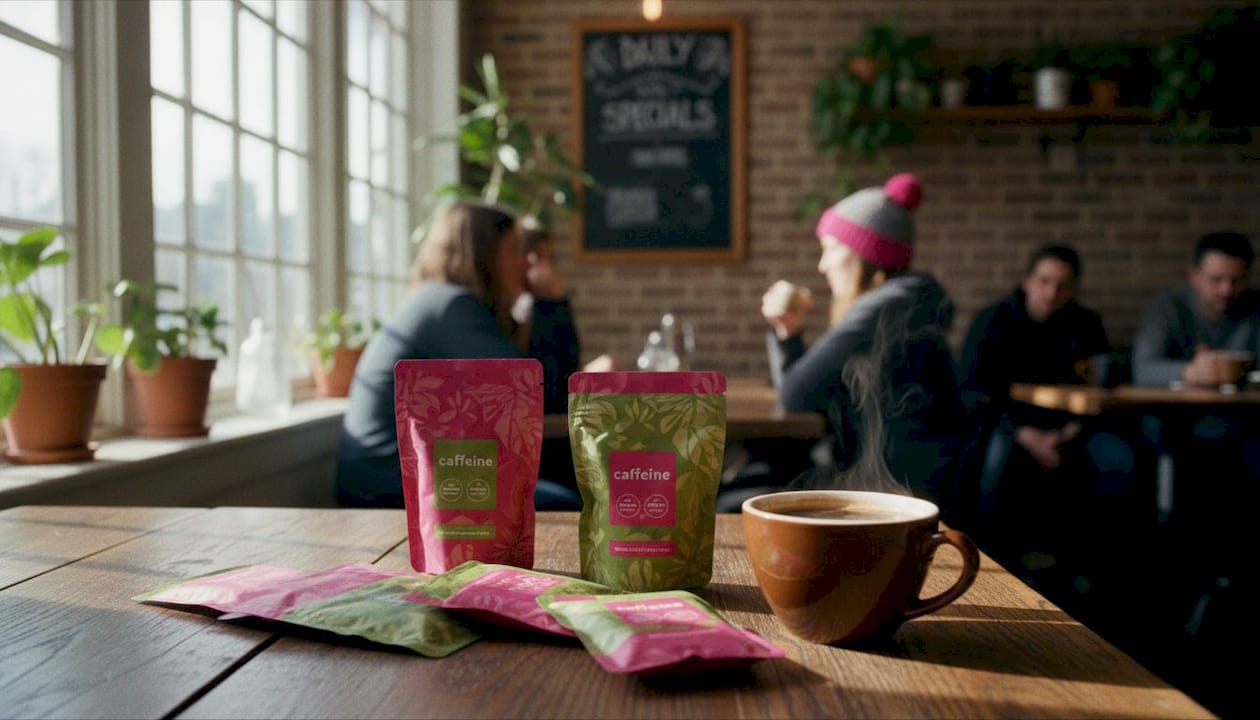
For healthy adults staying within the FDA’s generally recognized safe daily caffeine threshold of 400 mg, the format itself is not inherently dangerous. The concern is that the format makes it easy to lose track of total intake.
What are caffeine pouches and how do they work?
A caffeine pouch is a small, pre-portioned sachet placed between the upper lip and gum. Caffeine absorbs through the buccal mucosa, the soft tissue lining the inside of the mouth, directly into the bloodstream. This bypasses the digestive tract.
Buccal absorption produces faster and higher peak caffeine blood levels than drinking coffee or tea. A coffee drinker absorbs caffeine gradually as it moves through the stomach and small intestine. A pouch user gets a sharper, faster spike. That difference matters clinically because the speed of absorption affects how intensely the body reacts.
Key characteristics of caffeine pouches include:
- Caffeine content: Ranges from 25 mg on the low end to 200 mg per pouch on the high end, with no industry standard
- Absorption route: Buccal, meaning through the cheek and gum tissue rather than the stomach
- Onset time: Faster than beverages due to direct bloodstream entry
- Format: Tobacco-free, smoke-free, and discreet enough to use in most public settings
- Regulation: Classified as food or supplement in most markets, with no purchase age requirement
Pro Tip: If you are new to caffeine pouches, start with the lowest available strength (25–50 mg) and wait at least 30 minutes before assessing the effect. The faster absorption means you will feel it sooner than you expect.
The discreet format is part of what makes these products appealing and part of what makes them risky. There are no satiety cues the way a hot beverage provides. You can use a pouch in a meeting, a classroom, or a car without anyone noticing.
How do caffeine pouches compare to other caffeine sources?
Caffeine pouches deliver caffeine faster and in more concentrated doses than most common beverages. The table below shows approximate caffeine content across common sources.
| Source | Approximate caffeine per serving |
|---|---|
| Brewed coffee (8 oz) | 80–100 mg |
| Espresso (1 shot) | 60–75 mg |
| Energy drink (16 oz) | 80–160 mg |
| Black tea (8 oz) | 40–70 mg |
| Caffeine pouch (low strength) | 25–50 mg |
| Caffeine pouch (high strength) | 100–200 mg |
A high-strength caffeine pouch delivers as much caffeine as a large energy drink in a format that takes seconds to place and produces no visible consumption. That invisibility is the key difference from beverages.
Combining pouches with other sources is where most unintentional overdoses occur. A person who drinks two coffees and uses a 100 mg pouch in the afternoon has already consumed 360–400 mg before dinner. Adding another pouch crosses the 400 mg threshold most health authorities cite as the upper safe limit for adults.
Pro Tip: Track your total daily caffeine from all sources, not just pouches. A simple notes app works fine. Most people are surprised how quickly the numbers add up when pouches are in the mix.
The pouch format also removes the natural pause that comes with preparing and drinking a hot beverage. That pause functions as an informal consumption limiter. Pouches eliminate it entirely.
What are the health risks of caffeine pouches, especially for youth?
Excessive caffeine intake from any source causes documented adverse effects. The pouch format amplifies the risk because of faster absorption and easier overconsumption.
Documented risks of excessive caffeine intake include:
- Cardiac arrhythmias: Irregular heart rhythms triggered by high caffeine doses, particularly dangerous for people with Long QT syndrome or other cardiac conditions
- Seizures: Reported in cases of significant caffeine overdose
- Sleep disruption: Even moderate caffeine use in the afternoon delays sleep onset and reduces sleep quality
- Anxiety and jitteriness: Common at doses above individual tolerance thresholds
- Medication interactions: Caffeine can interact with antidepressants, raising medication blood levels to dangerous concentrations
- Dependence and withdrawal: Regular high-dose use leads to physical dependence, with headaches and fatigue on cessation
For youth, the risks are sharper. The American Academy of Pediatrics recommends zero caffeine for children under 12 and a maximum of 100 mg daily for teens. A single high-strength pouch can exceed that teen limit in one use.
“Pediatric experts warn that caffeine pouches allow much faster, higher dosage intake compared to beverages. The speed and concentration of buccal absorption heighten overdose risk in adolescents, whose cardiovascular and neurological systems are still developing.”
Pregnant women face additional risk. High caffeine intake during pregnancy is associated with low birth weight and preterm delivery. The buccal absorption route does not reduce that risk.
Why are caffeine pouches a concern for parents, educators, and regulators?
The regulatory picture around caffeine pouches is genuinely thin. No federal law in the United States sets a minimum purchase age for caffeine pouches. They are sold online and in convenience stores without ID checks. Marketing through social media has made these products highly visible to teenagers.
The monitoring challenge is compounded by appearance. Caffeine pouches look nearly identical to nicotine pouches. Schools report difficulty distinguishing between the two, and several districts have banned caffeine pouches outright because of this confusion. A student caught with a pouch may be using caffeine, nicotine, or both, and the packaging alone does not clarify which.
Steps parents and educators can take:
- Learn to identify the products. Caffeine pouches and nicotine pouches share similar packaging. Check the label for the active ingredient.
- Store pouches like medications. Keep them out of reach of children and in a location that requires deliberate access.
- Talk directly with teens. Explain that caffeine pouches are not regulated the way food products are, and that a single pouch can exceed the daily recommended limit for adolescents.
- Contact schools proactively. Ask whether the school has a policy on caffeine pouches specifically, separate from tobacco and nicotine policies.
- Monitor online purchases. Caffeine pouches are widely available online with no age verification at checkout.
Pro Tip: If you find a pouch and are unsure whether it contains caffeine or nicotine, look for the word “nicotine” or a nicotine warning on the label. Caffeine pouches will list caffeine as the active ingredient. When in doubt, treat it as a nicotine product until confirmed otherwise.
The visual similarity to nicotine pouches also creates accidental exposure risk. A child who finds a pouch and places it in their mouth may receive a significant caffeine dose before anyone realizes what happened.
Practical safety tips for adult users and families
Adults who choose to use caffeine pouches can reduce their risk with a few consistent habits.
- Stay within 400 mg total daily caffeine from all sources combined, not just pouches. This is the threshold most health authorities cite for healthy adults.
- Do not use pouches if you have a heart condition, are pregnant, or take antidepressants or other medications that interact with caffeine.
- Avoid using pouches late in the day. Caffeine has a half-life of roughly 5–6 hours, meaning a 3:00 PM pouch still has half its caffeine active at 9:00 PM.
- Store pouches in a locked or high cabinet, away from children and teenagers. Treat them the way you would store medication.
- Recognize signs of overuse: racing heart, anxiety, trembling hands, inability to sleep, or headaches when you skip a pouch. These signal physical dependence.
- Talk openly with your family about what caffeine pouches are and why they are not appropriate for children or teens.
Understanding nicotine pouches vs. energy drinks as a comparison point also helps adults make more informed decisions about stimulant products generally.
Key Takeaways
Caffeine pouches are safe for healthy adults within the 400 mg daily limit, but the lack of age restrictions, fast buccal absorption, and high per-pouch doses make them a genuine risk for youth and at-risk individuals.
| Point | Details |
|---|---|
| Dosage range is wide | Pouches range from 25 mg to 200 mg each, with no standardized dosing across brands. |
| Absorption is faster than beverages | Buccal delivery produces quicker, higher caffeine blood peaks than drinking coffee or tea. |
| Youth face the highest risk | The American Academy of Pediatrics caps teen caffeine at 100 mg daily; one pouch can exceed that. |
| Regulatory gaps are significant | No federal age restrictions exist; pouches are classified as food or supplements with minimal oversight. |
| Combined intake is the main hazard | Most overdoses occur when pouches are stacked on top of coffee, tea, or energy drinks. |
The regulatory gap is the real story here
I have followed stimulant product trends for years, and caffeine pouches are the clearest example I have seen of a product outpacing the rules meant to govern it. The health risk for a 35-year-old who uses one low-strength pouch in the morning is genuinely low. That is not the part that concerns me.
What concerns me is the combination of high-dose options, no age gate, and a format that is nearly impossible to distinguish from nicotine pouches. Regulators have spent years building frameworks around nicotine pouches. Caffeine pouches arrived wearing the same clothes and walked right past those frameworks.
The market will keep growing. The products will get stronger and more varied. What needs to catch up is public health messaging, standardized labeling, and a minimum purchase age. Until those exist, the burden falls entirely on parents, educators, and individual adults to manage the risk themselves. That is not a sustainable position for a product this accessible.
If you want a useful comparison point, read Snuscore’s breakdown of nicotine pouch safety. The regulatory parallels are instructive.
— Martins
Caffeine pouches and stimulant products at Snuscore
Snuscore covers the full range of tobacco-free oral products, including nicotine pouches from brands like VELO, KICK, and GLICK. If you are researching stimulant products and want clear, factual information on what is in them and how they work, Snuscore is a reliable starting point.
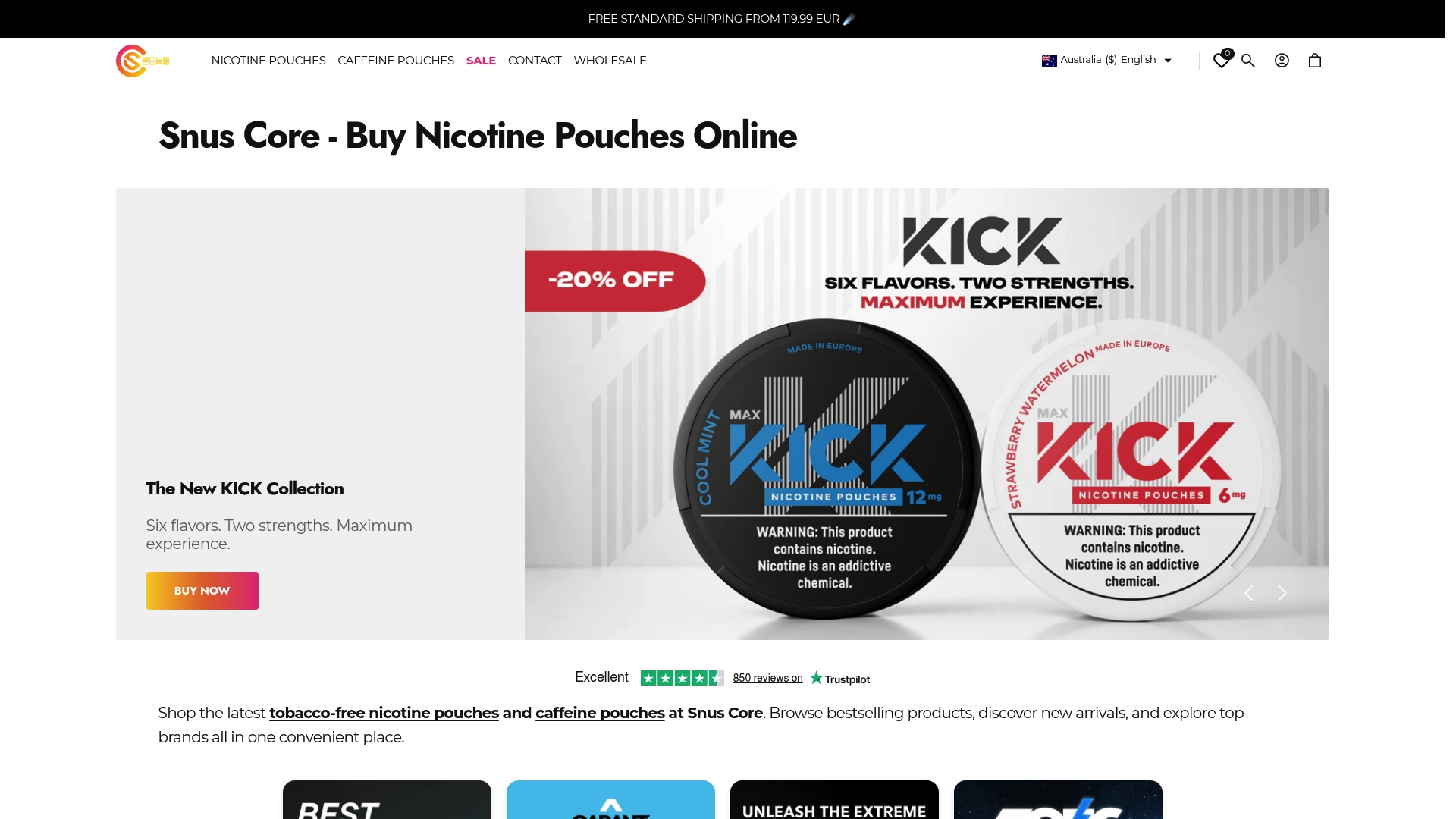
The site provides product details, strength ratings, and flavor options without the marketing noise. Whether you are an adult looking for a tobacco-free nicotine option or simply trying to understand what these products are, browse the full catalog for straightforward product information and transparent labeling. Snuscore does not sell caffeine pouches, but understanding the nicotine pouch category gives useful context for anyone evaluating oral stimulant products.
FAQ
What is the safe daily caffeine limit for adults?
The FDA and most health authorities cite 400 mg per day as the upper safe limit for healthy adults. One high-strength caffeine pouch can deliver up to 200 mg, which is half that limit in a single use.
Can teenagers use caffeine pouches?
The American Academy of Pediatrics recommends teens limit caffeine to 100 mg daily. A single high-strength pouch can exceed that limit, making these products inappropriate for adolescent use.
Are caffeine pouches the same as nicotine pouches?
Caffeine pouches and nicotine pouches are different products with different active ingredients. They look nearly identical in packaging, which creates confusion for parents, schools, and even some retailers.
Do caffeine pouches cause addiction?
Regular high-dose caffeine use from any source, including pouches, leads to physical dependence. Withdrawal symptoms include headaches, fatigue, and irritability when use stops.
Are caffeine pouches regulated by the FDA?
Caffeine pouches are classified as food or supplements in most markets, giving the FDA limited authority over dosage, labeling, or age restrictions compared to tobacco or pharmaceutical products.
Recommended
- Why Caffeine Pouches Are the Next Big Trend ➤ The latest news, tips, and insights on nicotine pouches | SnusCore
- Are Nicotine Pouches Safe? ➤ The latest news, tips, and insights on nicotine pouches | SnusCore
- Glick Nicotine Pouches: All You Need to Know ➤ The latest news, tips, and insights on nicotine pouches | SnusCore
- How to Use Nicotine Pouches? All You Need to Know ➤ The latest news, tips, and insights on nicotine pouches | SnusCore


