


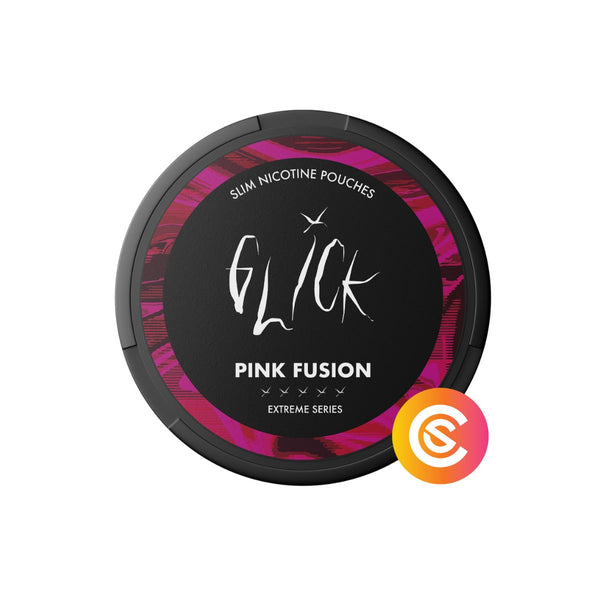


TL;DR:
- Caffeine pouches deliver rapid, direct absorption of caffeine into the bloodstream through oral mucosal tissue, often faster than coffee. They range from 25 to over 200 mg per pouch, with high doses comparable to two cups of coffee and effects lasting three to five hours. These products are convenient, discreet, and suitable for specific situations, but require safety awareness to avoid exceeding daily caffeine limits or accidental ingestion by children.
Caffeine pouches work. They deliver caffeine through the mouth’s mucosal tissue directly into the bloodstream, bypassing the digestive system entirely. Onset is typically 5–10 minutes, with peak effect for many users by 15–30 minutes. That is noticeably faster than coffee. Pouches range from about 25 mg to 200 mg of caffeine per pouch, meaning a single high-dose pouch can equal two cups of coffee in one hit.
Key facts before you buy:
-
Healthy adults: stay under 400 mg/day total caffeine from all sources combined.
-
Pregnant people: limit to under 200 mg/day.
-
Children: not appropriate; accidental ingestion is a serious risk (Nationwide Children’s).
-
Dr. Thomas Holland (Rush University) notes that pouches skip the stomach-liver pathway coffee uses, making the same mg feel faster and stronger.
-
Snuscore carries three ready-to-try options: XQS Tropical Caffeine Pouches (fruity, travel-friendly), Glick Cappucino Functional Pouches (coffee-flavored, moderate dose), and XQS Black Cherry Caffeine (fruit-flavored, higher dose).
Table of Contents
- How do caffeine pouches work — and why do they feel faster than coffee?
- Caffeine per pouch vs. coffee, energy drinks, and pills
- How to use a caffeine pouch correctly
- Benefits and drawbacks vs. coffee and energy drinks
- Safety, side effects, and who should avoid caffeine pouches
- Do caffeine pouches contain nicotine or tobacco?
- How long do effects last and how often can you use them?
- Legal status and age restrictions in the United States
- Quick buying checklist before you add to cart
- Products available at Snuscore that fit common use cases
- Key Takeaways
- When Snuscore recommends caffeine pouches — and when we don’t
- Ready to try caffeine pouches? Here’s where to start
- Sources and further reading
- FAQ
How do caffeine pouches work — and why do they feel faster than coffee?
Saliva dissolves the pouch’s micro-ground caffeine, which then crosses the capillary-rich mucosal lining of the cheek and gum directly into the bloodstream. No stomach. No liver. That route is called buccal or sublingual absorption, and it cuts the typical coffee delay significantly.
A rough timeline for a moderate-dose pouch (around 50 mg):
| Time | What happens |
|---|---|
| 5–10 min | Pouch activates; caffeine begins releasing |
| 5–10 min | Detectable blood levels; early alertness |
| 15–30 min | Peak effect for most formulations |
| 30–60 min | Sustained focus |
| 3–5 hrs | Gradual taper |
Because pouches bypass first-pass metabolism, the same milligram dose can feel more potent than the identical amount swallowed in a drink. Placement, saliva flow, and pouch formulation all affect how fast absorption happens.
Caffeine per pouch vs. coffee, energy drinks, and pills
Pouch caffeine content varies widely — from about 25 mg on the low end to more than 200 mg per pouch on the high end. That range matters when you are calculating daily intake.
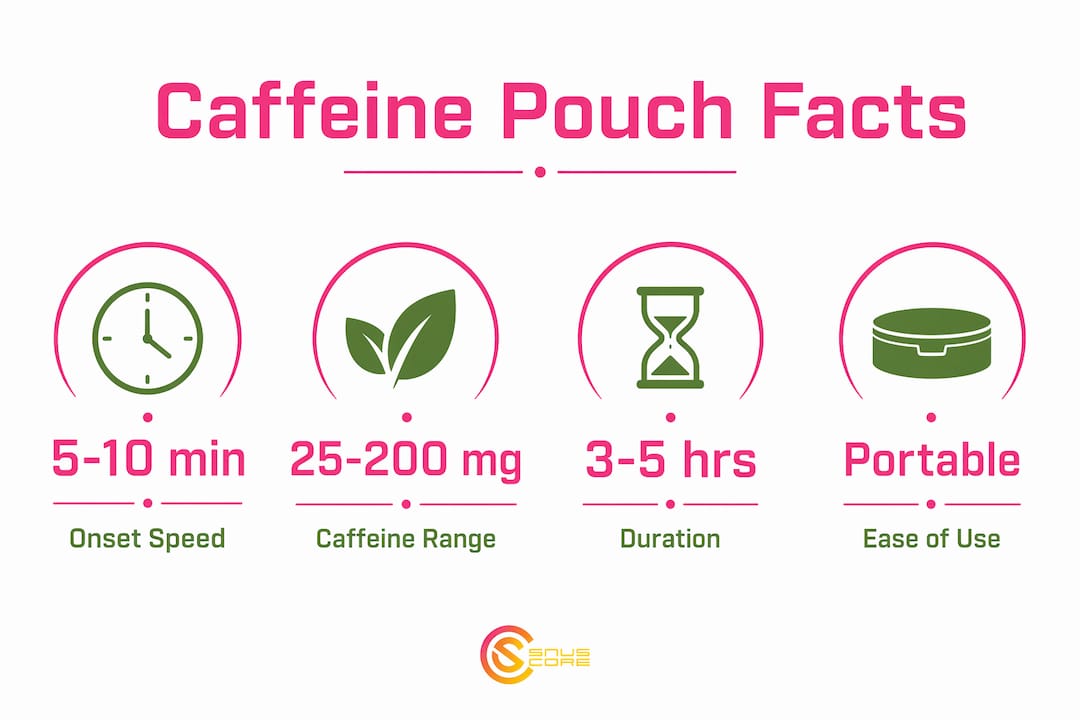
| Source | Caffeine per serving | Onset speed | Duration | Calories | Portability | Flavor options |
|---|---|---|---|---|---|---|
| Caffeine pouch (low) | ~25 mg | 5–10 min | 3–4 hrs | — | High | Many |
| Caffeine pouch (high) | ~200 mg | 5–10 min | 3–5 hrs | — | High | Many |
| Instant coffee | ~100 mg | 30–60 min | 3–5 hrs | ~5 | Low | Limited |
| Energy drink | — | 15–30 min | 4–5 hrs | 100–200 | Medium | Many |
| Caffeine pill | ~100–200 mg | 30–60 min | 3–5 hrs | — | High | None |
Before buying, check the label for: mg per pouch, number of pouches per can, full ingredient list, and any third-party testing statement. A 200 mg pouch equals roughly two cups of coffee — factor that into your total daily intake.
How to use a caffeine pouch correctly
- Open the can and take out one pouch.
- Place it snugly between your upper lip and gum. Not on the tongue. A loose or tongue-placed pouch reduces buccal absorption and increases the amount you swallow.
- Leave it in for 15–30 minutes. Removing it early delivers only a partial dose.
- Discard the used pouch in the built-in lid compartment or a trash bin. Do not swallow it.
Timing by use case: Pre-workout, place the pouch 15–20 minutes before you start. For a midday focus session, use it at the start of the task. During travel or meetings where drinks are impractical, a pouch fits where a coffee cup does not.
Pro Tip: If you feel little effect after 30 minutes, check placement first. A pouch sitting loosely or on the tongue absorbs poorly. Also account for your existing caffeine tolerance — daily coffee drinkers may need a higher-mg pouch to notice a clear effect.
Do not combine a high-dose pouch with a pre-workout drink or large coffee without adding up the total mg first. Stacking stimulants without tracking the total is the most common way users exceed the 400 mg daily limit.
Benefits and drawbacks vs. coffee and energy drinks
Pouches have real advantages for specific situations. They also have real trade-offs.
Benefits:
- Fast onset (5–15 min vs. 30–60 min for coffee)
- Zero calories, zero sugar
- No liquid, no spill, no prep
- Discreet in meetings, gyms, or transit
- No gastrointestinal side effects from acidic coffee
Drawbacks:
- Faster onset means less time to stop if you took too much
- Labeling quality varies by brand; some products list mg vaguely
- No antioxidants or ritual benefits that coffee provides
- Easier to accidentally stack doses
Nectr Energy frames it plainly: pouches are superior for speed, portability, and zero-calorie intake, while coffee remains preferable for ritual, antioxidants, and a slower energy profile. They serve different use-cases rather than being direct replacements.
For a detailed side-by-side on health metrics, Snuscore’s guide on caffeine pouches vs energy drinks covers the comparison in depth.
Safety, side effects, and who should avoid caffeine pouches
Common side effects, especially at higher doses:
- Jitteriness and anxiety
- Insomnia if used late in the day
- Heart palpitations
- Stomach upset if the pouch is swallowed
Who should avoid or limit use:
- Pregnant people (stay under 200 mg/day total)
- Children and teens (smaller bodies, developing systems, lower thresholds)
- People with heart conditions (caffeine raises heart rate and blood pressure)
- People with anxiety disorders, bipolar disorder, or schizophrenia
- Anyone on stimulant medications
⚠️ Child safety: Pouches are small, flavored, and look like candy. Nationwide Children’s warns that accidental ingestion is a genuine risk. Store pouches in their original container, out of reach, and locked away from children. Discuss the risks with teenagers directly.
Because pouches bypass first-pass metabolism, a 100 mg pouch hits faster and harder than 100 mg of coffee. Treat the mg number on the label seriously.
This article is general information, not medical advice. Confirm current guidelines with a clinician or public-health source for your specific situation.
Do caffeine pouches contain nicotine or tobacco?
No. Caffeine pouches are formulated to deliver caffeine only. They use the same form factor as nicotine pouches — a small sachet placed under the lip — but the active ingredient is caffeine, not nicotine or tobacco.
The packaging and usage method are nearly identical to nicotine pouches, which is why reading the label carefully matters. Check the active ingredient, the mg per pouch, and the full ingredient list before using any oral pouch product.
Some products combine caffeine with other functional ingredients (vitamins, amino acids). A small number combine caffeine with nicotine. Always verify what is in the pouch before use. For a clear breakdown of the differences, Snuscore’s article on caffeine vs. nicotine pouches covers the key distinctions.
How long do effects last and how often can you use them?
Onset: 5–10 minutes. Peak effect: 15–30 minutes. Taper: 3–5 hours, depending on dose and individual metabolism.
| Dose per pouch | Expected peak duration | Max pouches/day (400 mg limit) |
|---|---|---|
| 25 mg | ~3 hrs | — |
| 100 mg | ~4–5 hrs | Up to 4 |
| 200 mg | 3–5 hrs | Up to 2 |
Practical frequency guidance: on days with heavy coffee consumption, skip or reduce pouch dose. Removing a pouch early delivers only a partial dose, so dwell time matters for consistent results.
Legal status and age restrictions in the United States
Caffeine pouches are not federally standardized as food or medicine in the US, which means regulation varies by state and product categorization. No single federal framework governs them the way the FDA governs drugs or dietary supplements uniformly.
- Check your state’s rules before ordering. Some states have age-gating requirements for oral pouch products.
- Verify age verification at checkout. Reputable retailers require age confirmation before processing an order.
- Confirm shipping is allowed to your state. Some states restrict certain oral pouch products.
- Look for lot numbers and manufacturing dates on the product page — these indicate traceable production.
- Prefer sellers with clear return and contact policies. No policy listed is a red flag.
Quick buying checklist before you add to cart
Before purchasing any caffeine pouch online, verify:
A product page that cannot answer these five questions clearly is not worth your money: mg per pouch, pouches per can, full ingredient list, manufacturing or expiry date, and a contactable return policy.
- mg per pouch: stated clearly, not vaguely (“contains caffeine”)
- Pouches per can: so you can calculate total mg per can and cost per pouch
- Ingredient list: full list, not just active ingredients
- Third-party testing or lab statement: optional but a strong trust signal
- Storage instructions: especially relevant if you have children at home
- Verified reviews: Trustpilot ratings or on-site product reviews from real buyers
- Red flags: candy-style packaging targeting minors, vague mg claims, no return policy
Products available at Snuscore that fit common use cases
Snuscore carries several caffeine pouch options across different flavor profiles and dose levels.
-
XQS Tropical Caffeine Pouches: Fruity flavor, fast onset, compact format. Well-suited for travel, gym sessions, or any situation where carrying a drink is impractical. Start with one pouch on a low-caffeine day to assess your response.
-
Glick Cappucino Functional Pouches: Coffee-flavored, moderate dose. A practical choice for midday focus when you want the taste profile of coffee without the liquid. Check the product page for current mg-per-pouch and ingredient details.
-
XQS Black Cherry Caffeine: Fruit flavor, higher-dose option. Better suited for experienced users who already know their caffeine tolerance. Verify mg on the product page and account for any other caffeine consumed that day.
All three products are listed with ingredient details and customer reviews on Snuscore’s product pages. For a broader comparison of caffeine pouch brands, Snuscore’s brand guide covers additional options.
Key Takeaways
Caffeine pouches deliver a faster, often stronger-feeling effect than coffee by absorbing caffeine directly through oral mucosal tissue, with onset in 5–10 minutes and peak effect by 15–30 minutes.
| Point | Details |
|---|---|
| Fast mucosal absorption | Onset typically 5–10 minutes; peak effect by 15–30 minutes for most formulations. |
| Dose range is wide | Pouches range from ~25 mg to ~200 mg; a high-dose pouch can equal two cups of coffee. |
| Respect the 400 mg daily limit | Healthy adults should not exceed 400 mg/day total from all caffeine sources combined. |
| Child safety is critical | Small, flavored pouches pose accidental ingestion risk; store locked and out of reach. |
| Snuscore product options | XQS Tropical, Glick Cappucino, and XQS Black Cherry cover low-to-high dose needs. |
When Snuscore recommends caffeine pouches — and when we don’t
Caffeine pouches make sense for specific situations: on-the-go focus, pre-workout prep, travel, or any context where a zero-calorie, no-liquid stimulant is more practical than a drink. The speed advantage is real, and for users who have already assessed their caffeine tolerance, a well-labeled pouch from a transparent retailer is a straightforward tool.
That said, pouches are not the right choice for everyone. If you drink multiple coffees daily, adding a 200 mg pouch without adjusting your total intake is how people overshoot the 400 mg limit without realizing it. Coffee also carries antioxidants and a slower energy curve that some users genuinely prefer. The ritual matters to a lot of people, and no pouch replicates that.
Snuscore’s position as a reseller means the focus is on helping buyers find the right product from a curated, clearly labeled catalog — not pushing volume. Product pages include mg-per-pouch data, ingredient lists, and verified customer reviews. First-time buyers are encouraged to start with one pouch on a low-caffeine day, check the product page for lab or testing details, and contact customer support with questions before ordering.
Ready to try caffeine pouches? Here’s where to start
For first-time buyers, the practical approach is to pick a low-to-moderate dose option, use it on a day with minimal other caffeine, and assess your response before committing to a larger order.
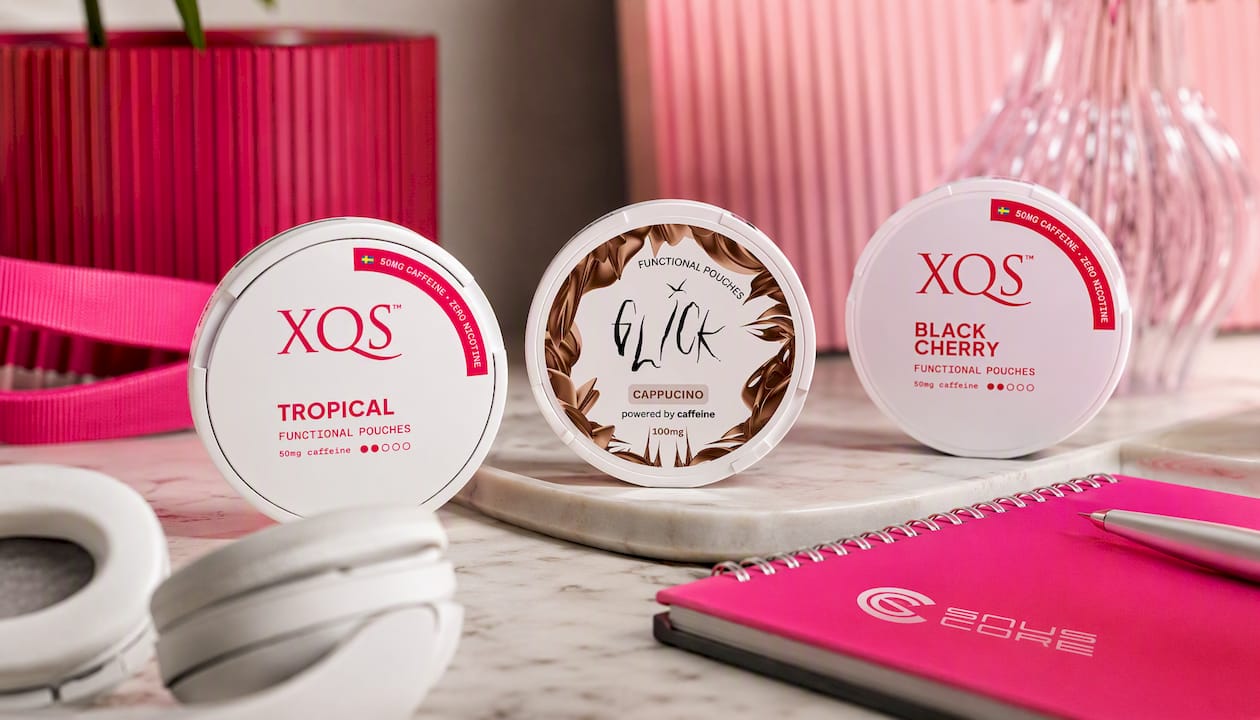
Snuscore carries three well-suited starting points: XQS Tropical for a fruity, portable option, Glick Cappucino for a coffee-flavored moderate dose, and XQS Black Cherry for a higher-dose fruit option. Each product page lists mg per pouch, ingredients, and current customer reviews. Bundle options and first-order discounts are available at checkout. Browse the full selection and check product details at Snuscore.
Sources and further reading
The following sources informed this article. Readers are encouraged to verify claims directly and consult a clinician for personal health questions.
Primary sources used: Everyday Health (expert commentary, Dr. Thomas Holland, Dr. Mill Etienne); ScienceAlert (dosage comparisons, safety risks); Nationwide Children’s Hospital (child safety and accidental ingestion guidance); Nectr Energy (onset timelines, use-case comparisons); Cream Energy (placement and dwell-time guidance). Snuscore product pages and guides provide retailer-specific ingredient and dosing details.
- Are Caffeine Pouches Safe? — Everyday Health
- Caffeine Pouches Can Pack 2 Coffees in 1 Hit — ScienceAlert
- Caffeine Pouches — Nationwide Children’s Hospital
- Do Caffeine Pouches Work? — Nectr Energy
- Do Caffeine Pouches Work? — Cream Energy
FAQ
Do caffeine pouches actually work?
Yes. Caffeine pouches deliver caffeine through the mouth’s mucosal tissue directly into the bloodstream, with onset typically in 5–10 minutes — faster than coffee or energy drinks.
How long does a caffeine pouch take to kick in?
Most users notice effects within 5–10 minutes of placement, with peak effect by 15–30 minutes depending on dose.
How much caffeine is in a pouch compared to coffee?
Pouches range from about 25 mg to over 200 mg per pouch. A typical cup of instant coffee contains about 100 mg, so a high-dose pouch can deliver roughly twice that in a single hit.
Are caffeine pouches safe for daily use?
For healthy adults staying under 400 mg/day total, occasional use is generally considered low-risk. Pregnant people, children, and those with heart conditions or mental health diagnoses should avoid them or consult a clinician first.
Where can I buy caffeine pouches in the US?
Snuscore sells XQS Tropical, Glick Cappucino, and XQS Black Cherry caffeine pouches online with clear mg-per-pouch labeling, ingredient lists, and verified customer reviews on each product page.


