


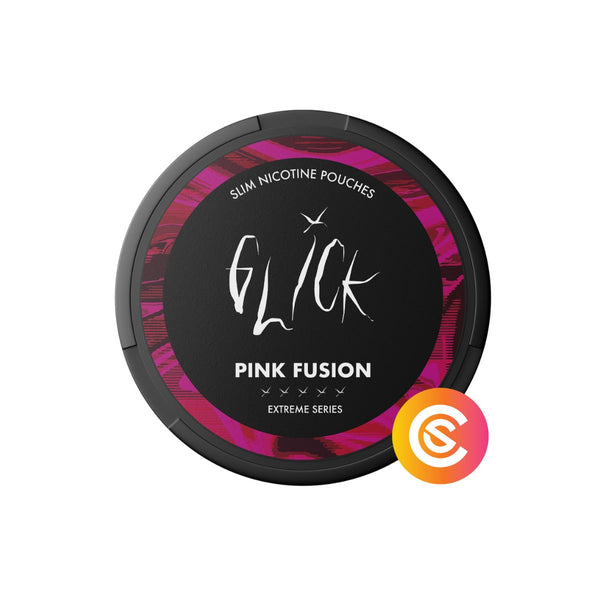


TL;DR:
- Nicotine pouches are tobacco-free products absorbed through the mouth lining, requiring no smoking or chewing. Users place one pouch between the upper lip and gum for 20 to 60 minutes, avoiding movement and stacking, with strength matching previous nicotine use. They are not approved for minors, pregnant women, or those with health conditions, and mild side effects may occur during use.
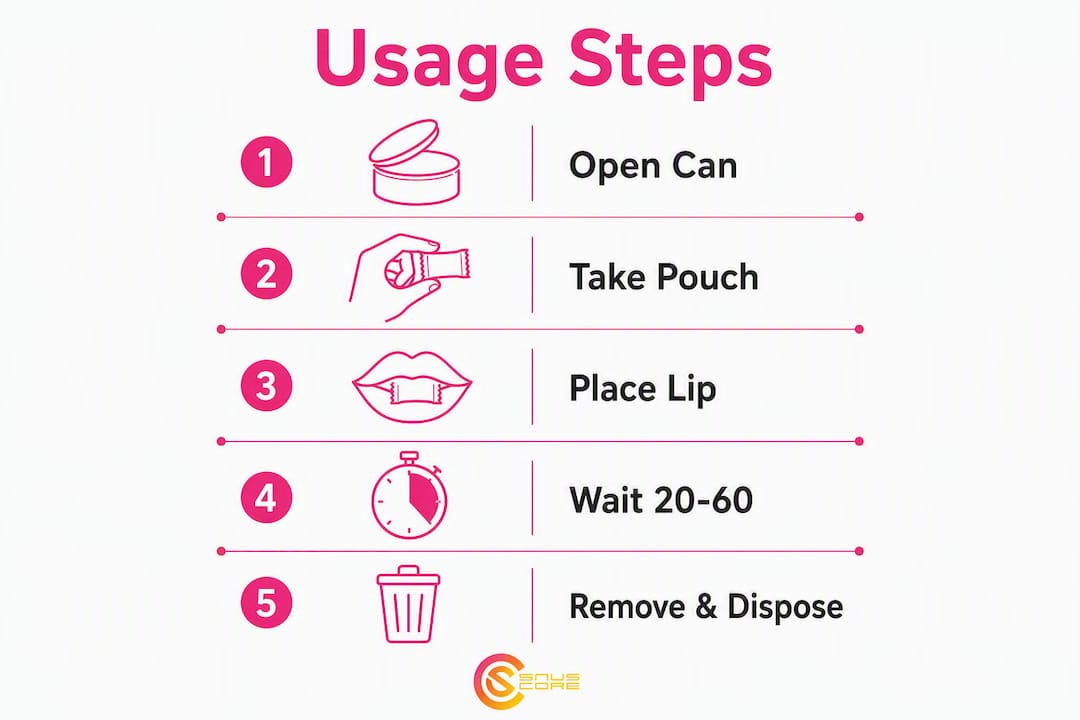
Place one pouch between your upper lip and gum, leave it undisturbed for 20–60 minutes, then remove and dispose of it in the trash. That is the complete method. Nicotine pouches are tobacco-free products where nicotine absorbs through the lining of your mouth, according to the CDC. No smoke, no spit, no chewing required.

⚠️ For adults only. Do not use if you are pregnant, under 21, or a non-nicotine user. The FDA has not approved nicotine pouches as a smoking-cessation device.
First three steps for a first-time user:
- Pick a low-to-mid strength pouch and dry your hands before opening the can.
- Tuck one pouch between your upper lip and gum. Leave it completely still.
- After a short session, assess how you feel. Remove it if you feel nausea or dizziness.
Nicotine pouches are not recommended for people who do not currently use nicotine products, youth, or pregnant people. They are not FDA-approved for cessation.
Table of Contents
- How do you use nicotine pouches step by step?
- How do you choose the right nicotine strength?
- What should you expect when using a nicotine pouch?
- Who should avoid nicotine pouches?
- What are the side effects, and when should you get help?
- Tips for comfort, discretion, and social etiquette
- How should you store and dispose of nicotine pouches?
- Key Takeaways
- What actually works for beginners
- Ready to try your first pouch?
- Useful sources
- FAQ
How do you use nicotine pouches step by step?
Open the can with dry hands and take out a single pouch. Do not squeeze or fold it. Place it between your upper lip and gum, slightly to one side of center. Upper lip is the standard placement for most beginners because it is less noticeable and produces less saliva than the lower lip.
Once placed, park it and leave it alone. The most common beginner mistake is pushing the pouch around with the tongue. Clinical guidance is clear: constant movement increases saliva flow and accelerates nicotine release, which raises the risk of nausea and a burning sensation. Think of it like a tea bag. You do not stir it.
How long to keep it in: Keep the pouch in place for a few minutes up to about an hour. Most users settle into a moderate session length. Remove it earlier if the flavor fades completely or if you feel discomfort.
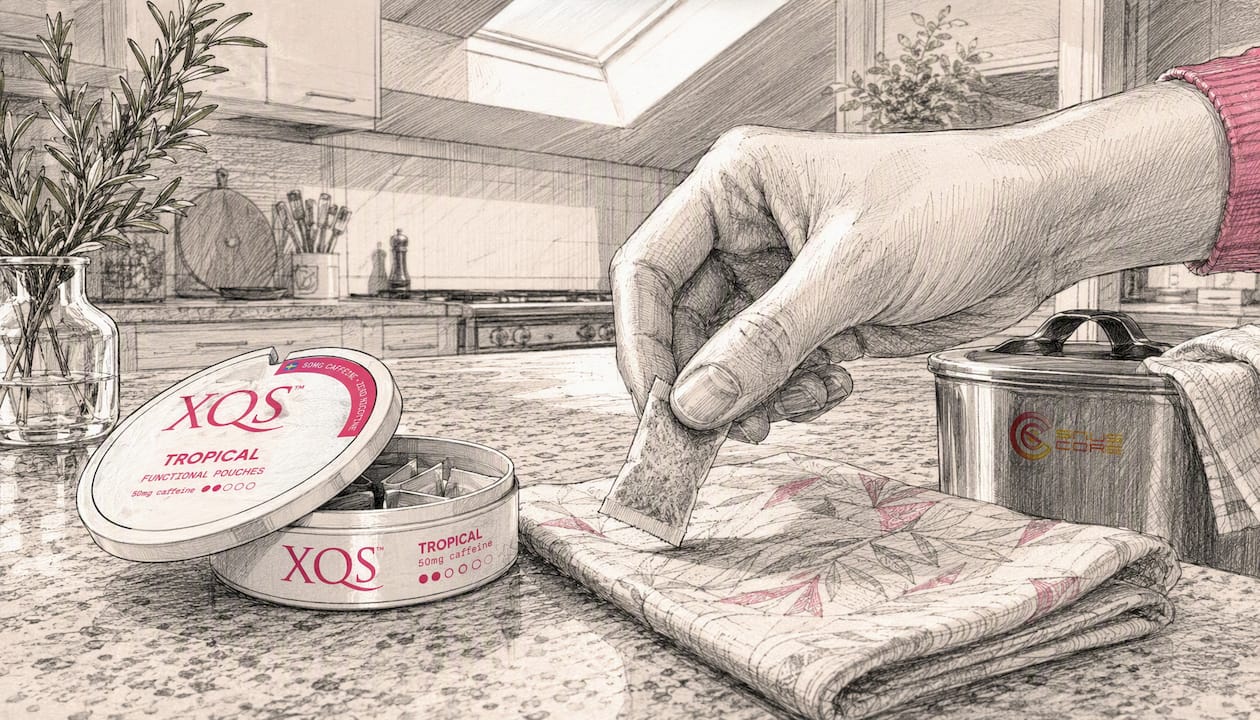
Removing and disposing: Pinch the pouch out with two fingers and wrap it in a small piece of tissue or use the catch lid on the bottom of most cans. Place it in household trash. Do not flush it. Do not swallow it. If a pouch breaks and you accidentally swallow some of the contents, drink water, sit down, and contact Poison Control (1-800-222-1222) if symptoms develop.
Pro Tip: If you are using a pouch for the first time, set a 15-minute timer. This gives you a controlled session to gauge your tolerance before committing to a full 60-minute use.
How do you choose the right nicotine strength?
Strength selection is the single decision that determines whether your first experience is comfortable or unpleasant. Most pouches on the market come in three general bands:
| Strength Range | Who It Fits |
|---|---|
| low strength | Non-daily users, social smokers, or anyone new to oral nicotine |
| mid strength | Light-to-moderate smokers |
| higher strength | Heavy smokers |
Practitioner guidance recommends aligning your starting strength to your previous cigarette consumption. Heavy smokers who start too low often feel unsatisfied and use pouches too frequently. Light users who start too high risk nausea and dizziness.
Practical decision rule:
- New to oral nicotine? Start at 2–4 mg.
- Smoke fewer than a pack a day? Try 4–6 mg.
- Smoke a pack or more daily? A 6–8 mg pouch is a reasonable starting point.
- Try one pouch, wait the full session, and assess before reaching for another.
Do not stack pouches. Using two at once doubles nicotine delivery and significantly increases side-effect risk. One pouch per session, with at least an hour between sessions, is the standard guidance for new users.
Pro Tip: When in doubt, go one level lower than you think you need. You can always move up. Coming down from a strength that made you sick is a worse experience than starting mild.
Understanding factors that affect nicotine pouch strength — such as pH level and moisture content — helps you compare products more accurately than the mg number alone.
What should you expect when using a nicotine pouch?
The first thing most users notice is a mild tingling or warming sensation under the lip. This is caused by pH modifiers in the pouch formulation that help nicotine absorb through the mouth lining. It is normal and typically fades within the first few minutes.
Absorption timeline:
| Time | What Happens |
|---|---|
| — | Tingling begins; saliva increases slightly |
| 10–20 min | Nicotine enters the bloodstream; cravings begin to ease |
| 30–45 min | Effects near peak; most users feel satisfied |
| 45–60 min | Flavor fades; nicotine release slows; time to remove |
Nicotine typically begins entering the bloodstream within minutes, with many users feeling effects within 10–20 minutes and peak effects around 30–45 minutes. The total session rarely needs to exceed 60 minutes.
Signs the strength is too high:
- Nausea or stomach upset
- Hiccups
- Dizziness or lightheadedness
- Rapid heartbeat
If any of these appear, remove the pouch immediately, drink water, and sit down. They usually pass within 10–15 minutes. If symptoms are severe or persist, seek medical attention.
Pro Tip: Increased saliva is normal. You can swallow it. Nicotine absorbed through the mouth lining is different from nicotine swallowed in liquid form — small amounts of saliva are not a concern.
Who should avoid nicotine pouches?
According to the CDC, nicotine pouches are not appropriate for everyone. The following groups should not use them:
- People under the legal purchase age (21 in the U.S.)
- Pregnant or breastfeeding people
- Non-nicotine users with no prior tobacco or nicotine history
- People with certain cardiovascular conditions (consult a clinician first)
- People taking medications that interact with nicotine
The FDA classifies nicotine pouches as nicotine products subject to federal oversight, but has not approved them as smoking-cessation aids. They are not a replacement for FDA-approved therapies such as nicotine replacement therapy (NRT) patches or prescription medications.
Nicotine is addictive. Using nicotine pouches can cause dependence. If you have a heart condition, high blood pressure, or are on prescription medication, speak with a clinician before using any nicotine product.
U.S. buyers should also check state and local regulations. Some states have additional age-verification requirements or flavor restrictions at point of sale. Always read the product label before use.
For a detailed look at safety considerations, Snuscore’s guide on nicotine pouch safety covers the key questions in plain language.
What are the side effects, and when should you get help?
Most side effects from nicotine pouches are mild and short-lived, especially when the strength is appropriate.
Common effects (usually resolve on their own):
- Tingling or mild burning at the placement site
- Increased saliva
- Hiccups
- Mild nausea, especially in the first few sessions
- Gum soreness with frequent use
These typically ease as your mouth adapts over the first few days of use.
Red-flag symptoms that require immediate action:
- Rapid or irregular heartbeat
- Severe vomiting
- Fainting or near-fainting
- Confusion or difficulty speaking
- Seizures
If you or someone else shows signs of nicotine overdose — severe vomiting, confusion, or seizures — remove the pouch immediately, call 911, and contact Poison Control at 1-800-222-1222.
Basic first-aid steps if you feel unwell: Remove the pouch. Sip water slowly. Sit or lie down. Most mild symptoms pass within 15 minutes. If symptoms are severe or you are unsure, call a clinician or go to urgent care.
Consult a pharmacist or doctor before using pouches if you are pregnant, have a heart condition, or take prescription medications. For broader context on managing nicotine habits, this nicotine habit management guide covers practical harm-reduction approaches.
Tips for comfort, discretion, and social etiquette
Staying discreet:
- Upper-lip placement keeps the pouch nearly invisible when you speak.
- Speak normally. No need to adjust your mouth or stay silent.
- Avoid chewing or moving the pouch — it is not gum.
- Swallowing saliva is fine. Discreet spitting into a tissue is also acceptable if you prefer.
Staying comfortable:
- Rotate placement between the left and right side of your upper lip across sessions. This reduces localized gum irritation.
- Start with shorter sessions and work up to longer durations as your gum adapts.
- Avoid coffee, juice, or soda for 15 minutes before and after using a pouch. Acidic drinks reduce buccal absorption and can increase mouth irritation.
Etiquette:
- Check venue rules before using. Many public spaces, workplaces, and transit systems prohibit all nicotine products.
- Keep pouches out of reach of children and pets. The nicotine content in a single pouch can be harmful if ingested by a child or small animal.
- If you need to store a used pouch temporarily, use the catch lid built into most cans.
Pro Tip: If your gum feels sore after a few days of use, try alternating sides every session and reducing your daily pouch count by one. Soreness usually signals overuse at a single site, not a reaction to the product itself.
How should you store and dispose of nicotine pouches?
Storage:
- Keep the can sealed and stored in a cool, dry place away from direct sunlight.
- Avoid leaving pouches in a hot car or near a heat source. Heat dries out the moisture that carries flavor and affects nicotine delivery.
- Once opened, reseal the can tightly after each use. Most cans have a snap-close lid designed for this.
- A properly stored, unopened can typically stays fresh until the printed expiration date. An opened can is best used within a few weeks.
If a pouch feels dry or crumbly, it has lost moisture and will deliver less nicotine and flavor. It is still safe to use but the experience will be noticeably weaker.
Disposal:
- Wrap used pouches in tissue and place them in household trash.
- Do not flush pouches down the toilet. They do not dissolve and can block plumbing.
- Keep used and unused pouches away from children and pets.
If a child or pet ingests a nicotine pouch, call Poison Control immediately at 1-800-222-1222. Do not wait for symptoms to appear.
For more detail on keeping pouches in peak condition, Snuscore’s guide on storing nicotine pouches covers shelf life and packaging tips.
Key Takeaways
Place one pouch under your upper lip, leave it undisturbed for 20–60 minutes, then remove and dispose of it in the trash — that is the complete method for using nicotine pouches safely and effectively.
| Point | Details |
|---|---|
| Placement and duration | Tuck one pouch under the upper lip; leave it still for 20–60 minutes; remove when flavor fades. |
| Do not move the pouch | Constant tongue movement increases saliva and accelerates nicotine release, raising nausea risk. |
| Match strength to prior use | Start at 2–4 mg if new to oral nicotine; heavy smokers may begin at 6–8 mg; never stack pouches. |
| Safety limits | Adults only; avoid during pregnancy; not FDA-approved for cessation; consult a clinician if you have heart conditions. |
| Snuscore starter options | Snuscore carries low-to-mid strength pouches in mild flavors suited to first-time users. |
What actually works for beginners
The advice that makes the biggest difference for new users is not about the product itself. It is about patience. Most beginners remove the pouch too early because the tingling feels strange, or they move it constantly because it feels odd sitting still. Both habits undercut the experience and increase side effects.
Starting at a lower strength than you think you need is consistently the smarter move. A 4 mg pouch that works comfortably is more useful than a 10 mg pouch that makes you feel sick for an hour. You can always step up. Stepping down after a bad first experience is harder because it creates a negative association that is difficult to shake.
Flavor choice matters more than most guides admit. A mild mint or citrus pouch tends to be more forgiving for a first session than a strong coffee or tobacco-flavored option. The flavor profile affects how the pouch feels in the mouth, not just how it tastes. Mild flavors tend to produce less initial irritation.
One more thing: the catch lid on the bottom of most cans is not decorative. Use it. Carrying a used pouch loose in a pocket or bag is how accidents happen.
Ready to try your first pouch?
Snuscore carries a curated selection of tobacco-free pouches across a range of strengths and flavors, with options suited to first-time users who want a controlled, low-risk starting point.
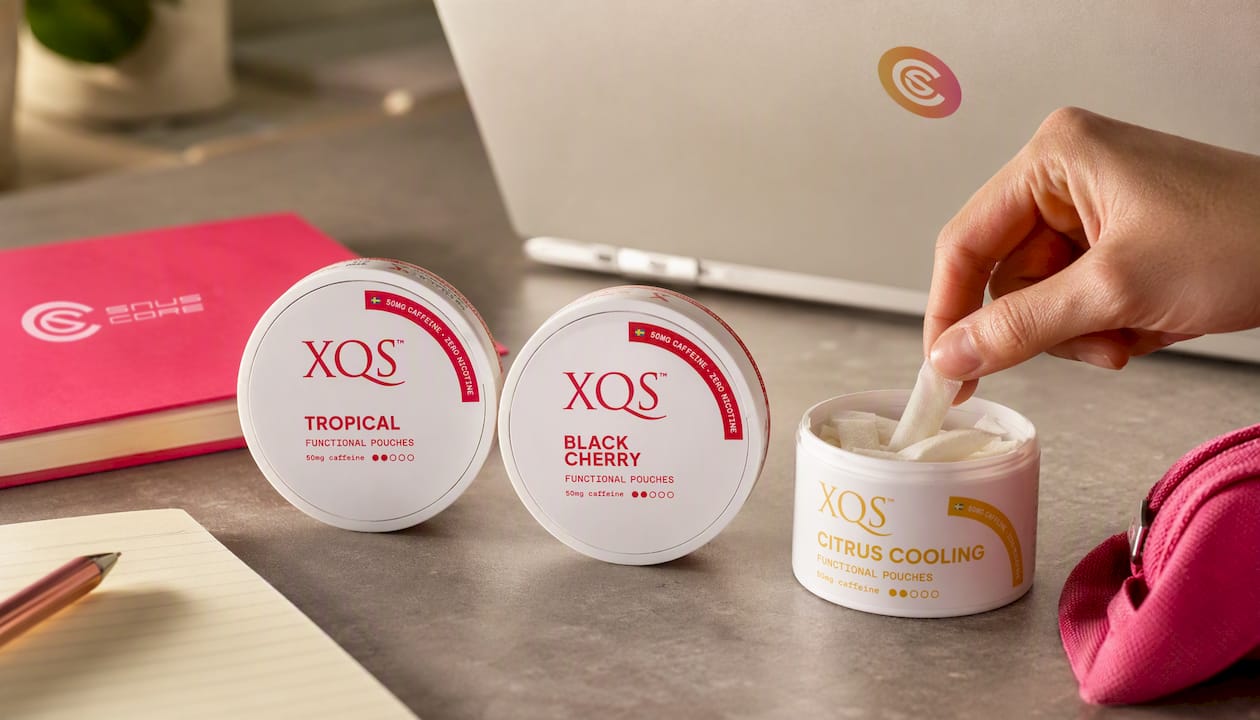
If you are curious about caffeine pouches as a nicotine-free alternative, XQS makes three approachable options worth trying. XQS Tropical delivers a light, fruit-forward flavor that works well for first sessions. XQS Black Cherry is a mild, slightly sweet option with broad appeal. XQS Citrus Cooling adds a refreshing edge that many users find easier on the gums than stronger flavors. All three are resealable, clearly labeled, and available directly through Snuscore. Browse the full selection and check current stock at snuscore.com.
Useful sources
The following resources provide authoritative safety, ingredient, and regulatory information for nicotine pouch users in the U.S.:
- Nicotine Pouches — CDC Smoking and Tobacco Use: Public-health overview covering ingredients, absorption, and who should avoid use.
- Nicotine Pouch — MyHealth Alberta: Step-by-step instructions and practical tips including drink timing.
- Nicotine Pouches: Use, Benefits, and Risks — WebMD: Consumer-health summary of contents, method, and known risks.
- Nicotine Addiction — NCBI Bookshelf: Clinical reference on nicotine dependence and pharmacology.
Always consult a qualified clinician for personalized advice. This article is general information, not medical guidance. Verify current U.S. federal and state regulations with the FDA or your state health authority before purchasing or using nicotine products.
FAQ
Do you swallow the spit from a nicotine pouch?
Yes, swallowing saliva while using a nicotine pouch is generally fine. The nicotine is absorbed through the mouth lining, not primarily through the digestive tract, so small amounts of saliva are not a concern.
How long does it take for a nicotine pouch to kick in?
Most users feel the first effects within 10–20 minutes, with peak effects typically occurring around 30–45 minutes into the session.
Are you supposed to chew a nicotine pouch?
No. Nicotine pouches are not chewed. Place the pouch under your upper lip and leave it completely still. Chewing or moving it increases saliva and accelerates nicotine release, which raises the risk of nausea.
How do you use a nicotine pouch correctly?
Place one pouch between your upper lip and gum, park it undisturbed for 20–60 minutes, then remove and dispose of it in the trash. Do not chew it, stack multiple pouches, or use more than one per session as a beginner.
Are nicotine pouches safe for everyone?
No. The CDC advises that pouches are not suitable for youth, pregnant people, or non-nicotine users. Anyone with cardiovascular conditions or who takes prescription medications should consult a clinician before use.
Recommended
- How to Use Nicotine Pouches? All You Need to Know ➤ The latest news, tips, and insights on nicotine pouches | SnusCore
- Glick Nicotine Pouches: All You Need to Know ➤ The latest news, tips, and insights on nicotine pouches | SnusCore
- What Is Nicotine? A Beginner’s Guide to Nicotine and Nicotine Products ➤ The latest news, tips, and insights on nicotine pouches | SnusCore
- Are Nicotine Pouches Safe? ➤ The latest news, tips, and insights on nicotine pouches | SnusCore


